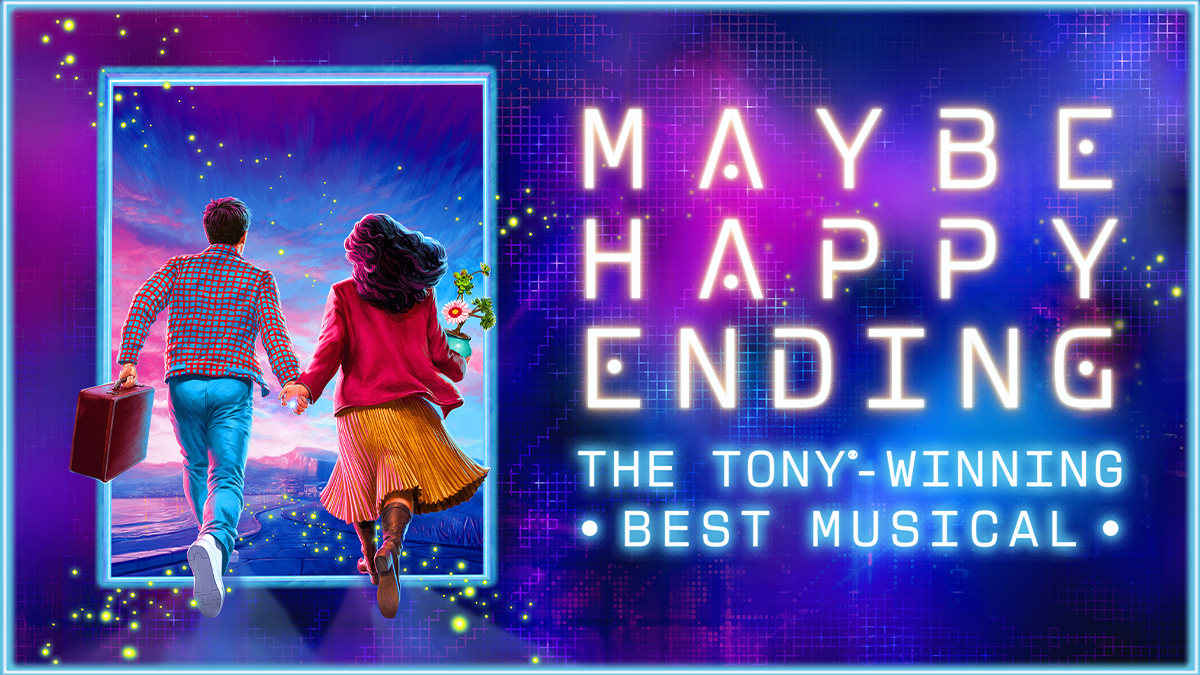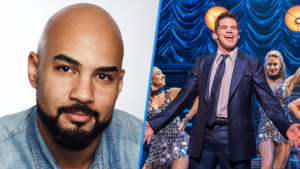
When director Michael Arden calls the hit Broadway musical Maybe Happy Ending “a Cinderella story,” he isn’t exaggerating.
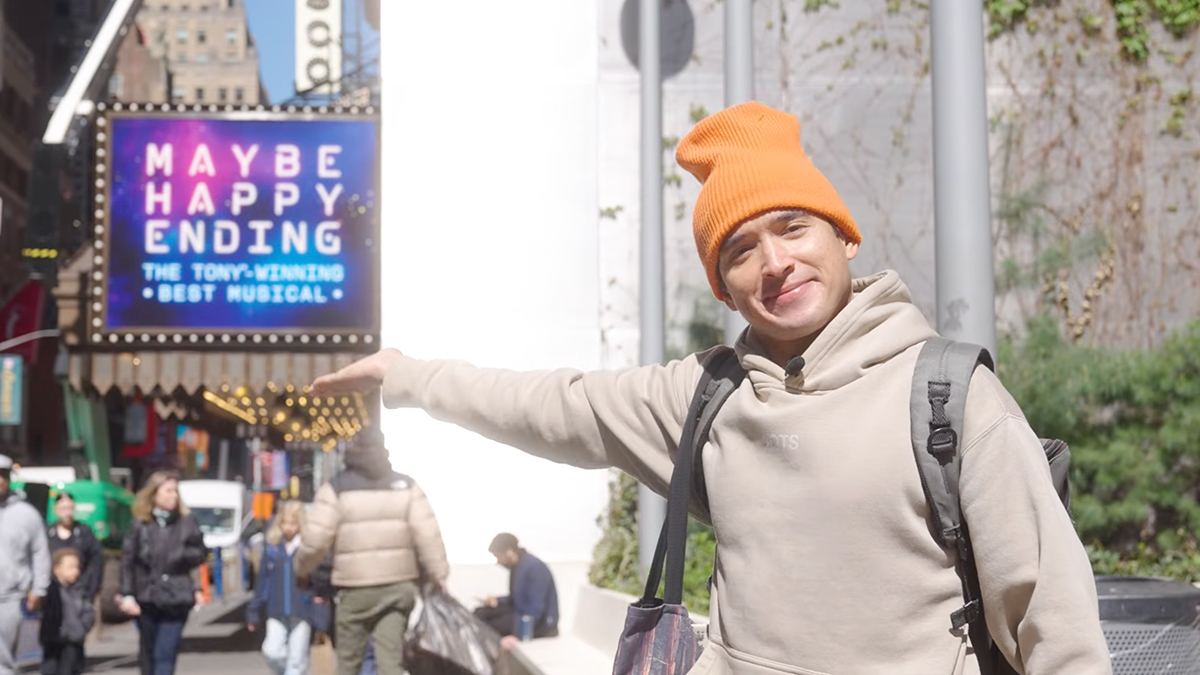
Among a whopping 14 new musicals that opened during the 2024–2025 season, this irresistible tale of a budding romance between Oliver and Claire, two retired “helperbots” in Korea, won six Tony Awards, including Best Musical and Best Director. Fueled by rave reviews and stellar word of mouth, Maybe Happy Ending just celebrated a landmark milestone, becoming the longest-running production at Broadway’s Belasco Theatre at 688 performances, with many more to come.
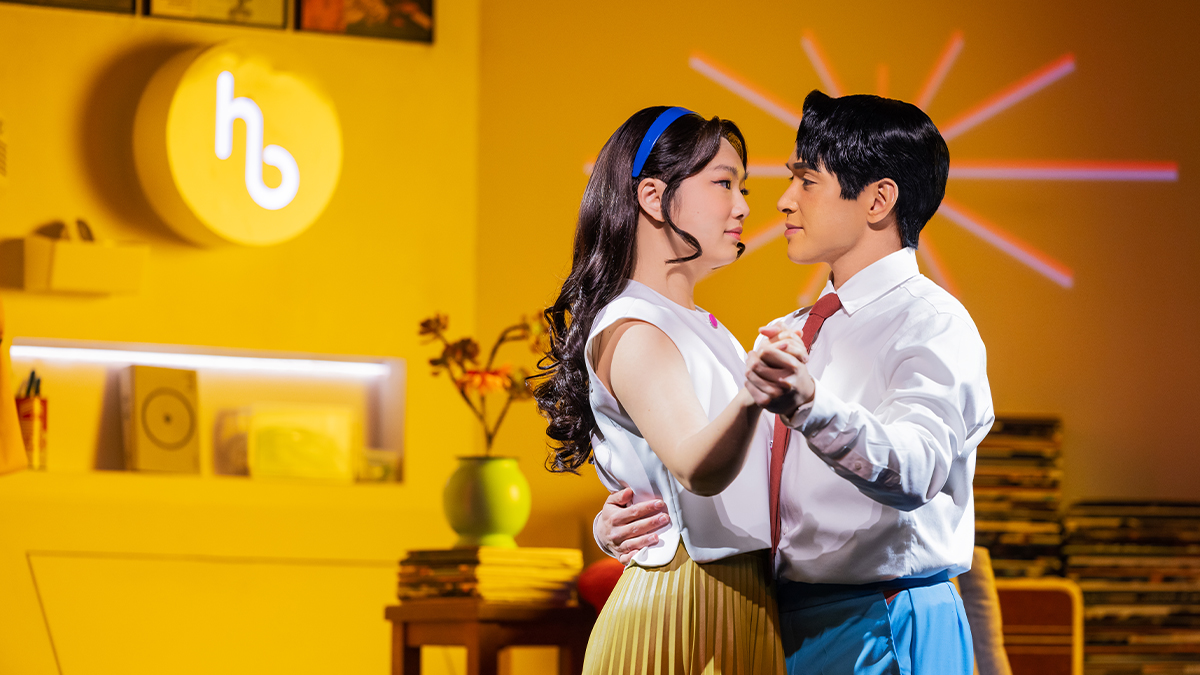
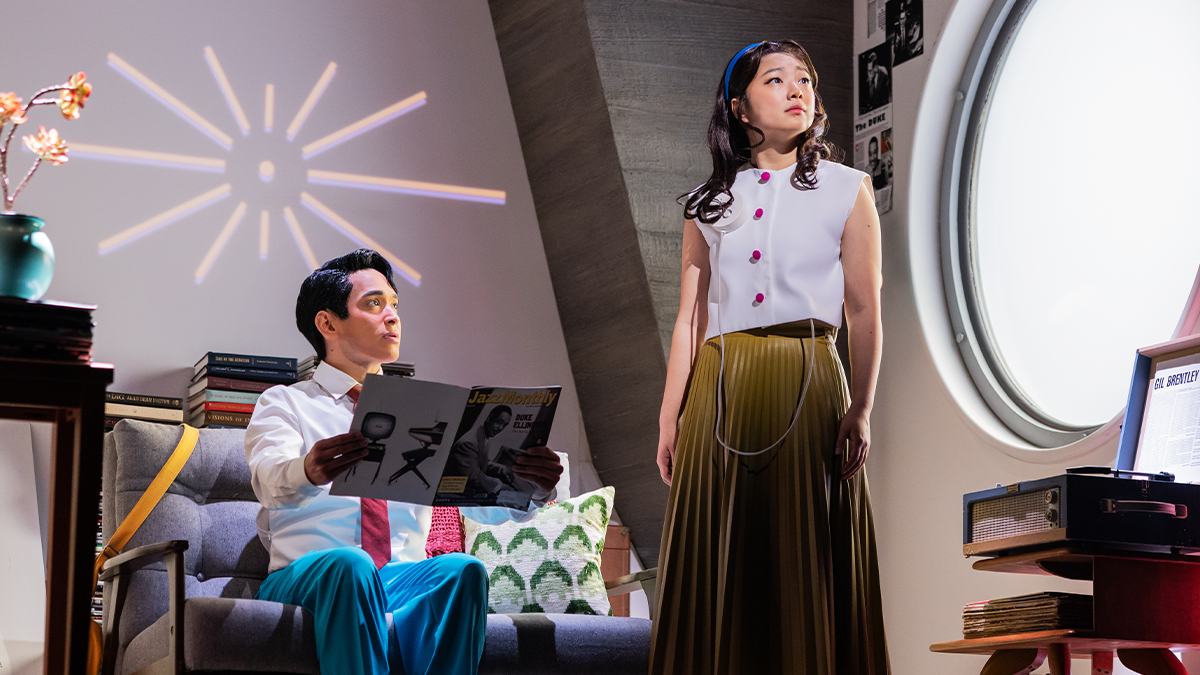
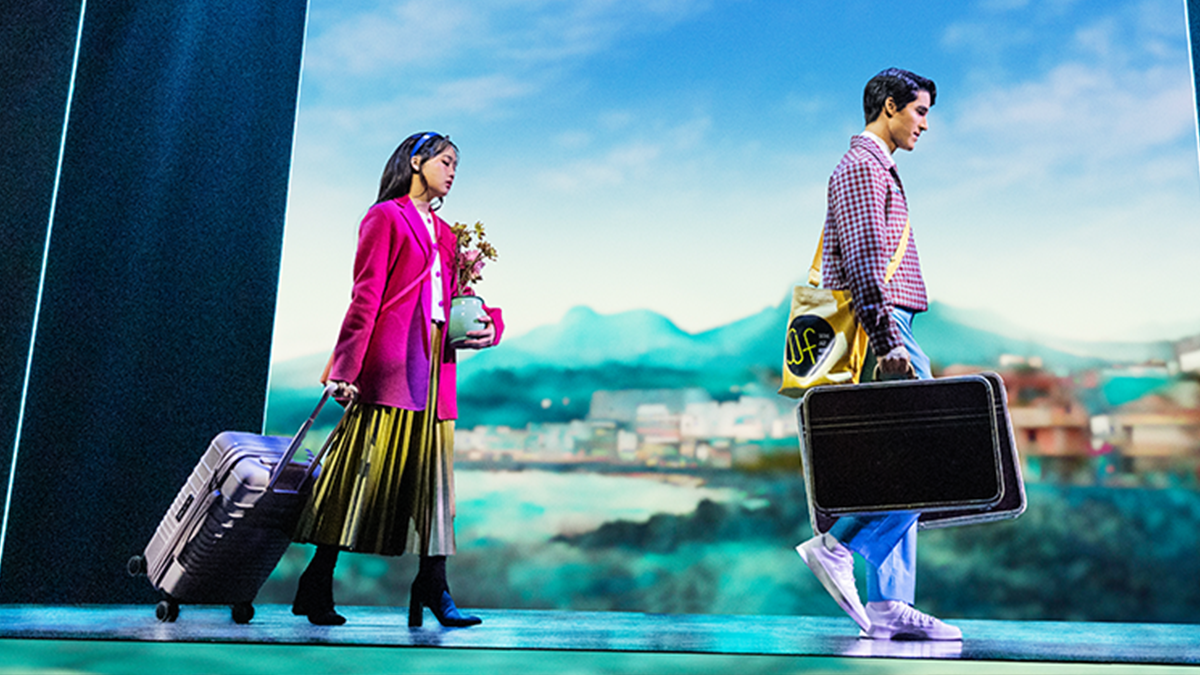
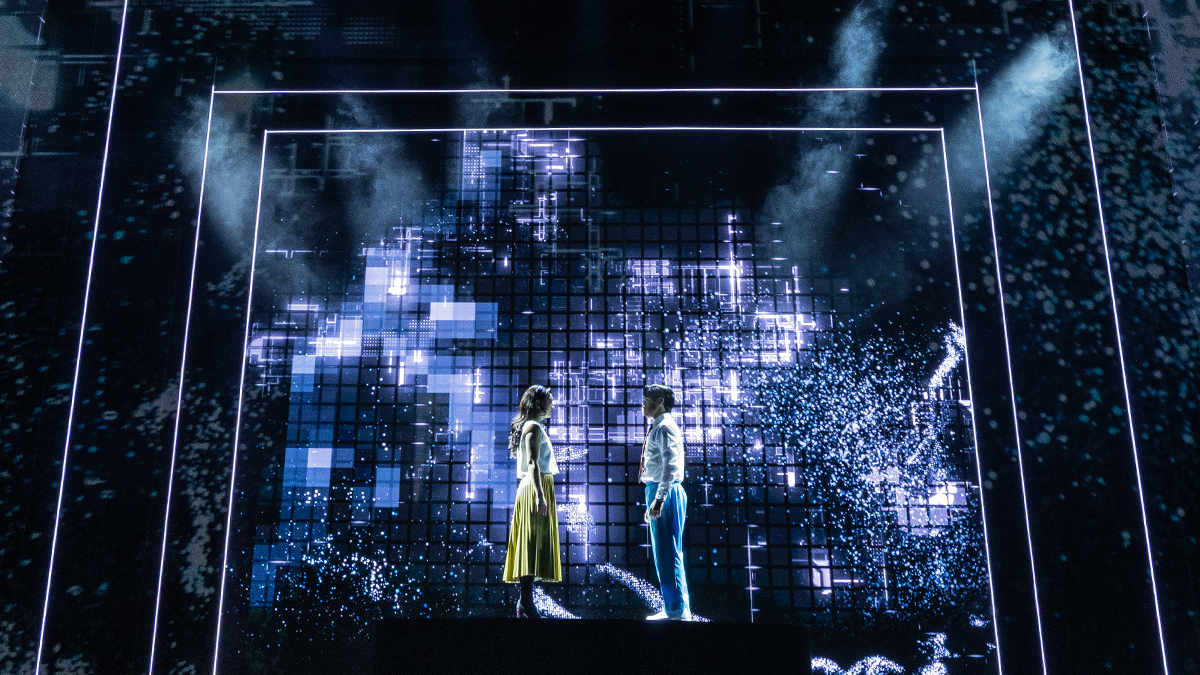
Arden began his career as a Juilliard-trained actor, but since pivoting to directing, he has amassed an impressive five Best Director Tony nominations in the past 10 seasons. “Michael’s vision was to give this beautiful show a cinematic design that would emphasize the adventure and romance in Oliver and Claire’s journey,” says Jeffrey Richards, lead producer of Maybe Happy Ending. “In collaboration with [Tony-winning designer] Dane Laffrey, he definitely succeeded.” In addition to Arden’s Tonys for directing Maybe Happy Ending and the 2023 revival of Parade, he took home a 2026 Tony for the lighting design of his most recent Broadway hit, The Lost Boys. This fall, he will helm the first Broadway revival of Aaron Sorkin’s A Few Good Men, starring Bradley Whitford. Arden chatted with Broadway Direct about the appeal of Maybe Happy Ending and what makes him agree to take on a directing project.
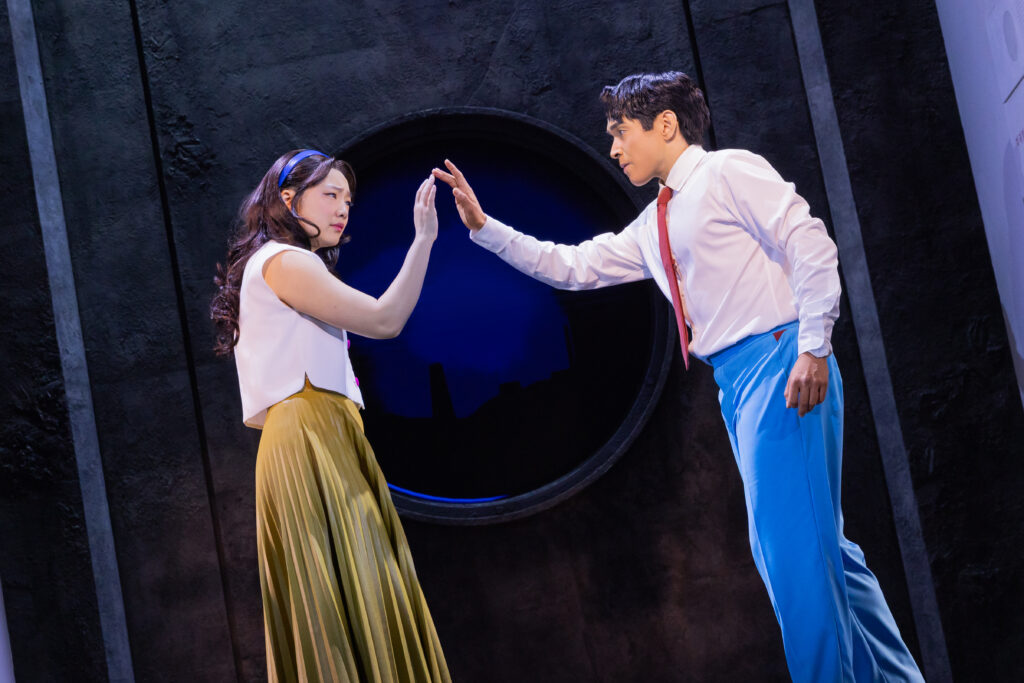
Congratulations on Maybe Happy Ending becoming the longest-running show at Broadway’s Belasco Theatre! How does that feel?
Michael Arden: It’s kind of surreal. From the start, this show has been such a Cinderella story—no one knew what it was about, or what to expect, and for it now to have become the longest-running show at one of Broadway’s most beautiful theatres is a tremendous honor. The Belasco is notoriously the most haunted theatre on Broadway, so I want to note how incredibly grateful we all are to the ghost of David Belasco for letting us run this long in his beautiful home. [laughs] Mr. Belasco was an innovator of the stage, and if he didn’t like what we were doing, we would have been out of his theatre long ago.
What makes Maybe Happy Ending such an unforgettable musical?
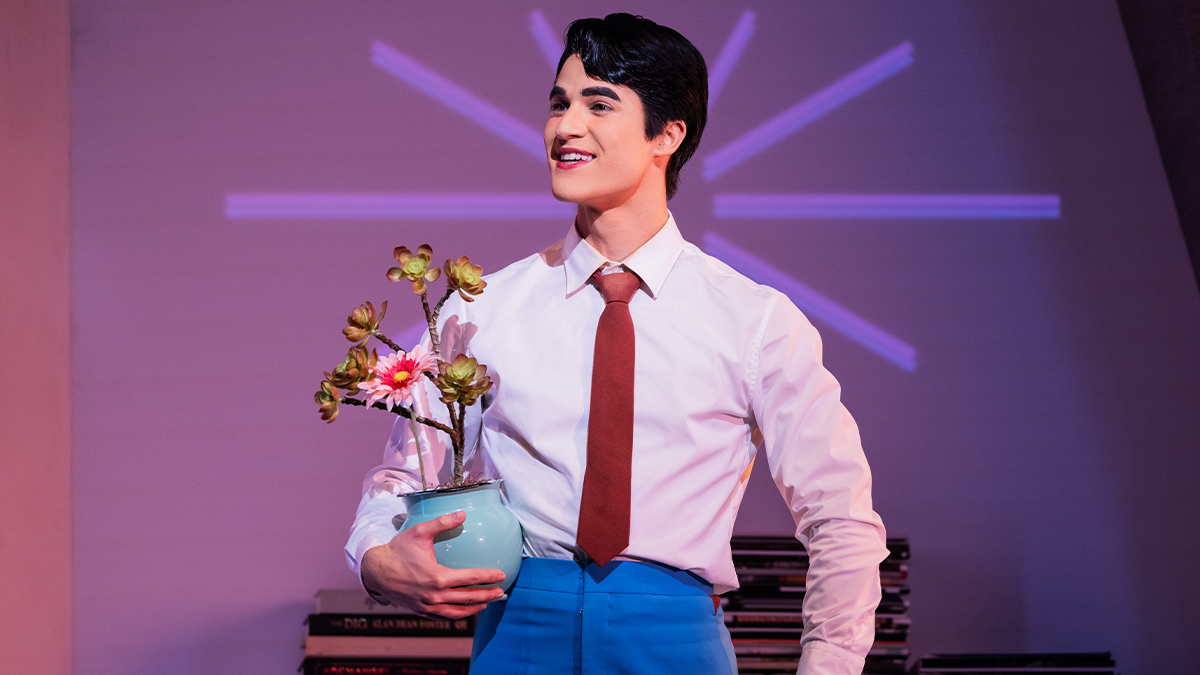
MA: There’s something incredibly universal about the story. It’s about kindness, mortality, human responsibility, and the meaning of love and life. Part of its magic is how we come to know the two robots, these creatures that feel far away from us until suddenly we realize we are them. The empathy created in observing their adventures packs an emotional wallop for the audience, something not every story or show can do.
It’s so satisfying that a totally original musical has become a beloved hit. Did you feel right away that Maybe Happy Ending would be successful on Broadway?
MA: Yes, because the moment I read it, I was bowled over emotionally. It felt so fresh and yet so classic at the same time. I knew that if we got it right, audiences were going to love it. Everyone who worked on it had faith that if we could just get people in the door, it would work its magic.
In a crowded season, Maybe Happy Ending became the ultimate word-of-mouth hit.
MA: Completely. In many ways, that’s what Broadway is—word of mouth makes or breaks a show, especially one with no “brand” recognition. We owe that to the fans [nicknamed “Fireflies” for a special moment in the show], and I want to express my gratitude to all the audiences who have come back multiple times and spent their hard-earned money on a ticket to our show. We love you!
I’m sure you enjoy watching the audience’s reaction to the twists and turns Oliver and Claire experience.
MA: It’s incredible. I love it when the audience as a whole gasps or laughs together, because in a world that is so divided, getting a thousand people to spontaneously do the same exact thing at the same time is magical. I see people take each other’s hands and put their arms around each other; these moments of tenderness are the best part for me when I watch from the back of the house.
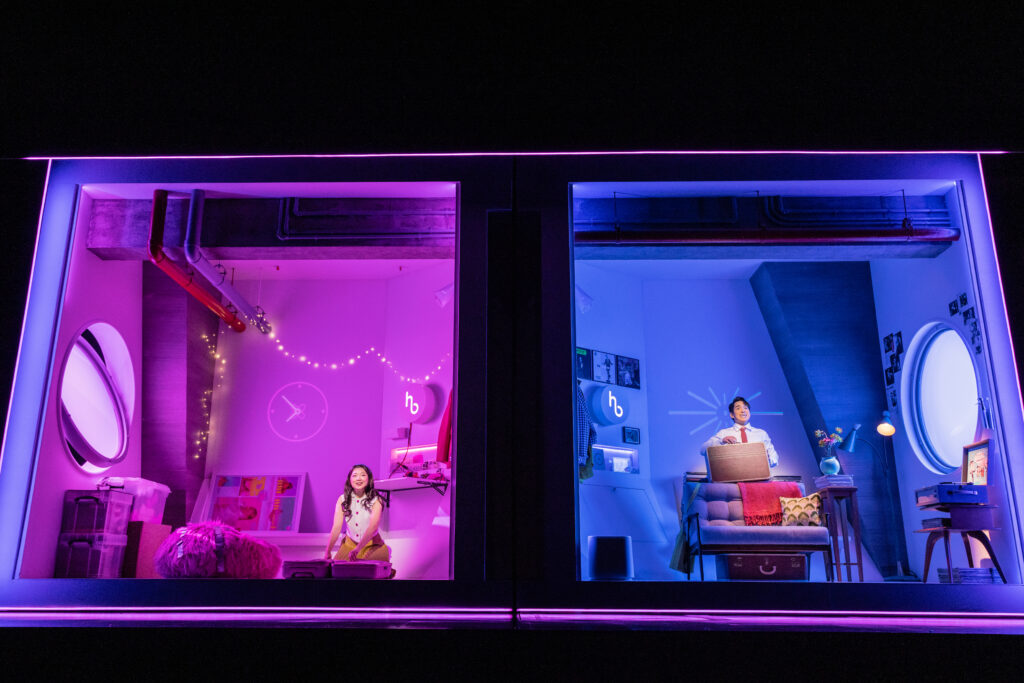
Let’s talk about what makes Maybe Happy Ending special, beginning with the Tony-winning score by Will Aronson and Hue Park.
MA: It feels classic. When I first listened to it, I thought, this lives between Richard Rodgers and the music we heard on the Mister Rogers’ Neighborhood television show. There’s a simplicity to it; it just feels honest, and yet has a contemporary feel that confirms it belongs in the “now.” It works on two levels: It feels fresh and yet familiar.
The show was a hit in Korea first. Did it surprise you that American audiences love it?
MA: People are people, and a good story will work in any culture. Look at Les Misérables, a show about the 1800s in France that resonates around the world because it’s about redemption and the human condition and how people live and love. I think that’s what Maybe Happy Ending is about, too, and it reminds us that no matter how different we are, we are mostly the same because we’re all human.
Tell us about the current stars and what they bring to the production.
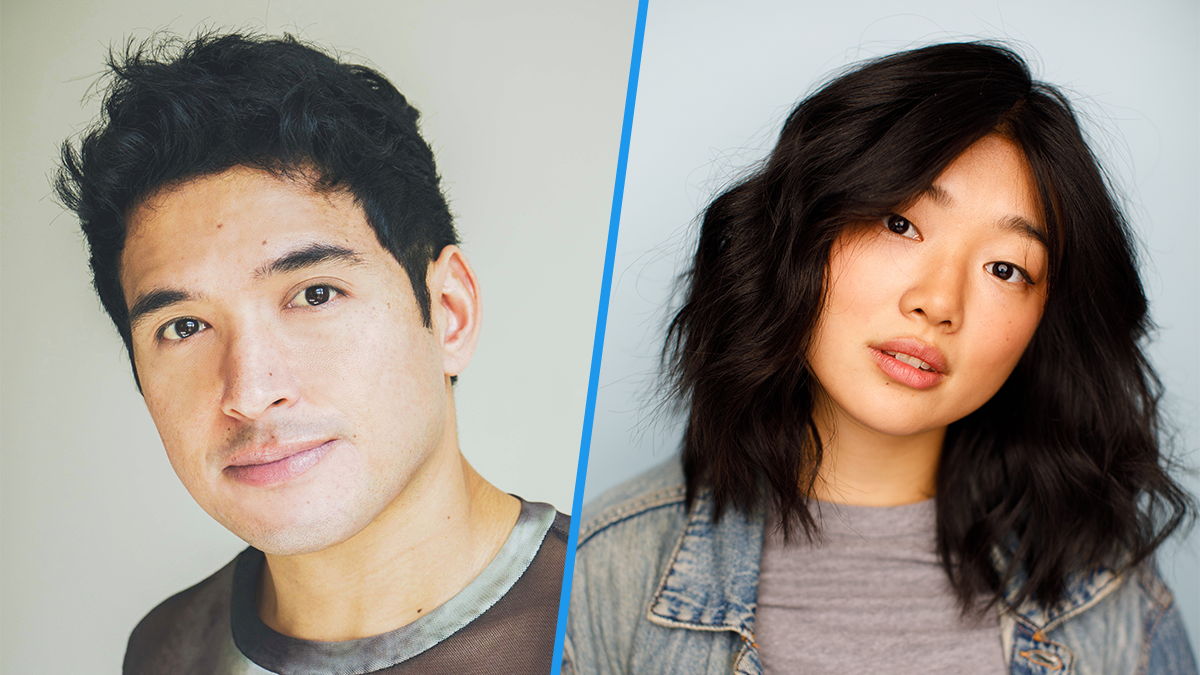
MA: They are all amazing. Hannah Kevitt, who has been with the show as the standby since we started, is so beautiful and sensitive; her voice is spectacular, and she brings a feeling of grace to the role of Claire. Zachary Noah Piser is truly one of the best voices on Broadway. He’s funny, charming, and completely relatable. There’s also a sweetness about him that is so right for the role of Oliver. And, of course, we have our two veteran cast members: Marcus Choi, who plays multiple roles so beautifully you have no idea they are being performed by the same person; and Dez Duron as jazz singer Gil Brentley, who is truly one of the great vocalists of our time.
What’s the key to keeping a long-running musical fresh and exciting?
MA: I am so lucky to have a wonderful team of associates and stage managers who not only give notes to keep the train on the track, but also keep the cast and crew excited about what they’re doing every night. Our music supervisor, Deborah Abramson, is continually making sure the score is crisp and tight so that when you come back to see the longest-running show in Belasco Theatre history, it sounds just as fresh as it did on opening night.
In the past decade, you’ve received five Best Director Tony nominations and won twice, plus a Tony for the lighting design of The Lost Boys. What makes Maybe Happy Ending a special part of your career?
MA: It was my first original musical on Broadway, and it’s a pure act of creativity and innovation, from the design to the story to the score. I hope the success of the show will inspire new artists to take bold risks and make something new. That’s how art stays alive.
Your productions vary widely in size, story, and style. What makes you say yes to a show like Maybe Happy Ending?
MA: The material has to touch me emotionally, and I have to believe that it will affect an audience enough for them not to be done with the story when they leave the theatre. The theater I like to make has a “third act,” which is the impression on the audience that hopefully challenges and inspires them to action in some way. Not every show needs to make you want to change your life, but great theater can cause you to self-reflect and hopefully behave slightly differently in the world. Be more loving, caring, empathetic. It’s the butterfly effect, and that is why I firmly believe theater has the power to change the world.