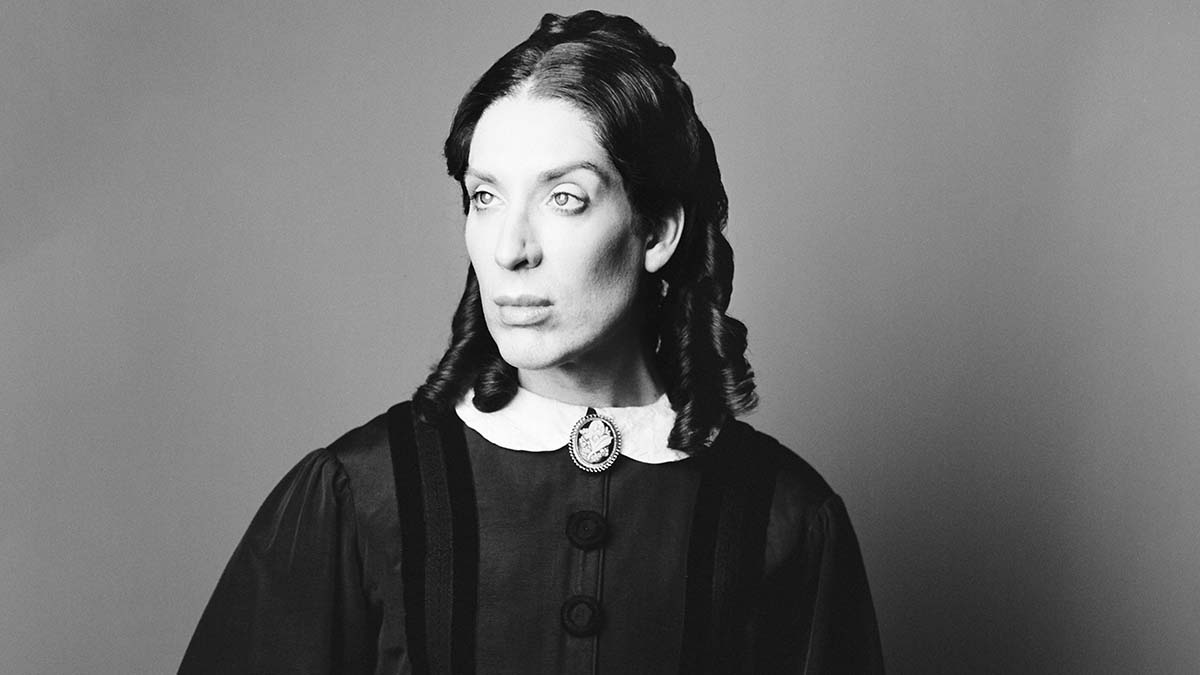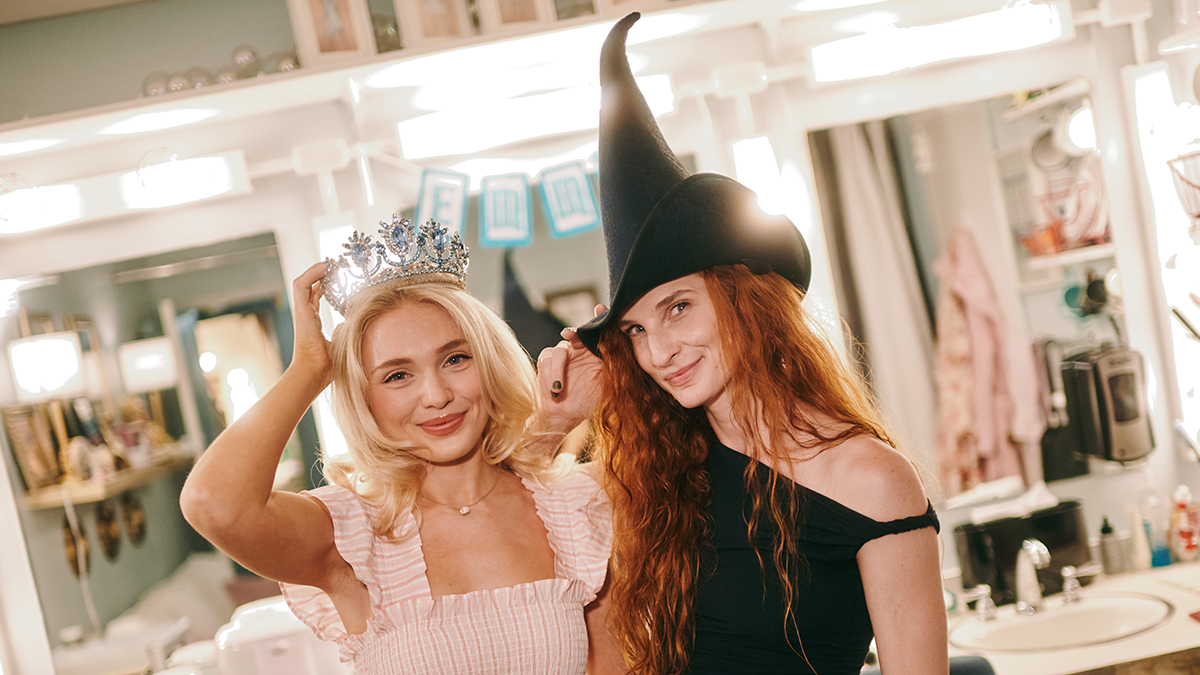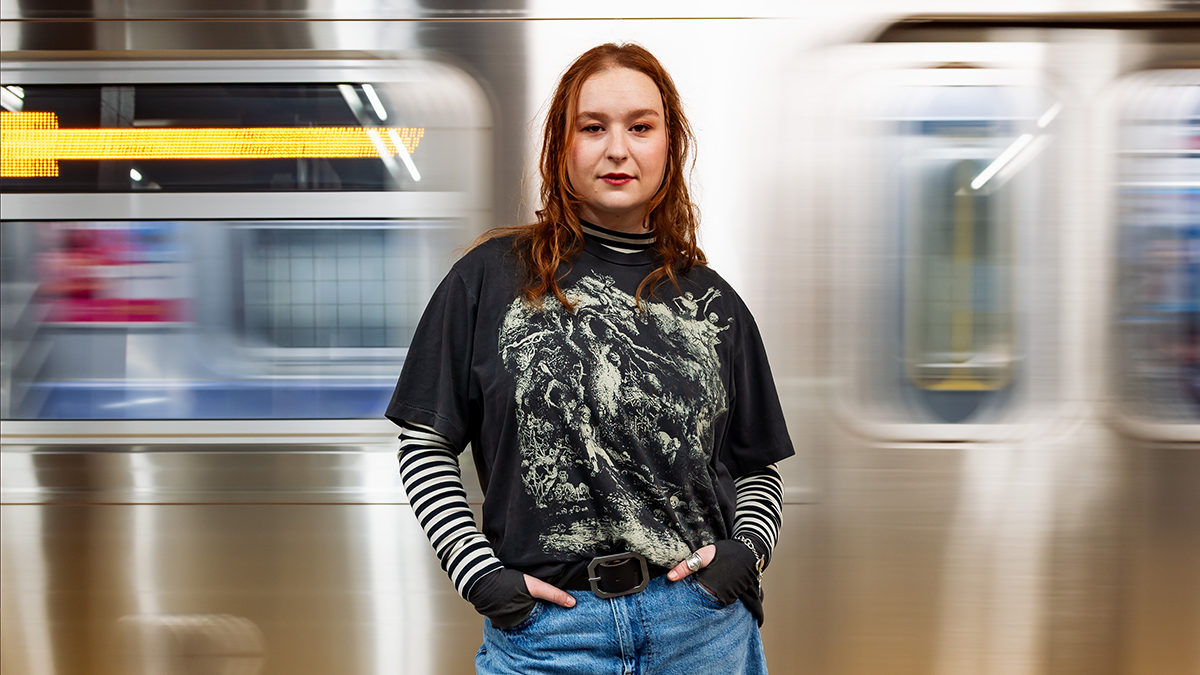
Julia Lester has been busy. This year alone, she was seen as Lila in Netflix’s The Four Seasons; named on INTO’s list of 25 Under 25 LGBTQ+ Changemakers; traveled to Denmark, Norway, and Sweden; and starred in two Off-Broadway plays. Audiences were first introduced to her as Ashlyn in Disney+’s High School Musical: The Musical: The Series, before witnessing her earn a Tony Award nomination for her Broadway debut as Little Red Riding Hood in the 2022 revival of Into the Woods.
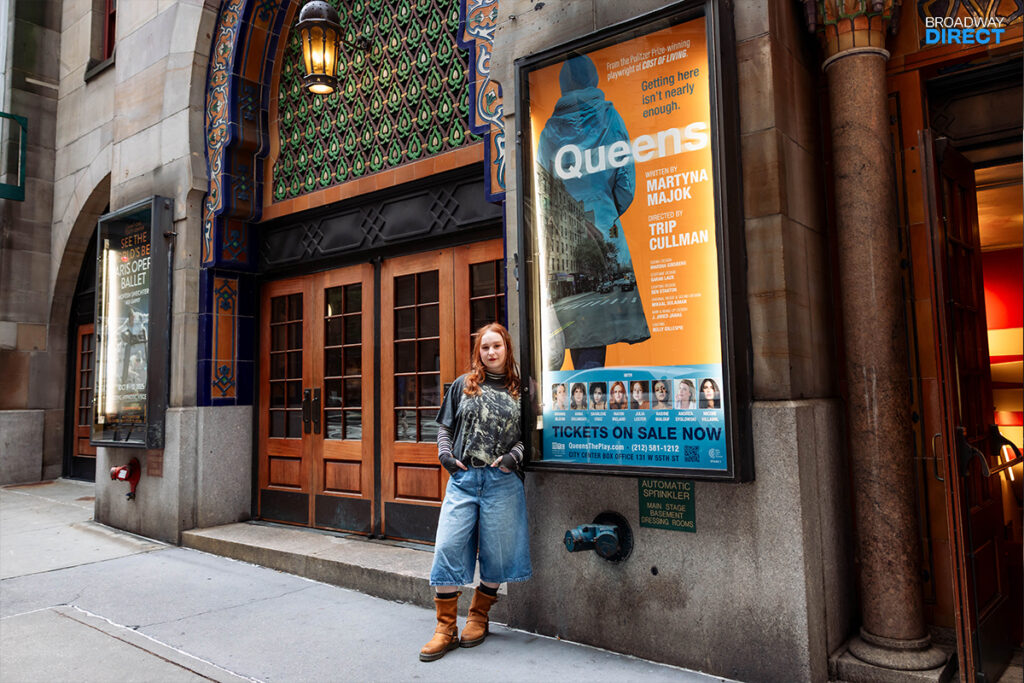
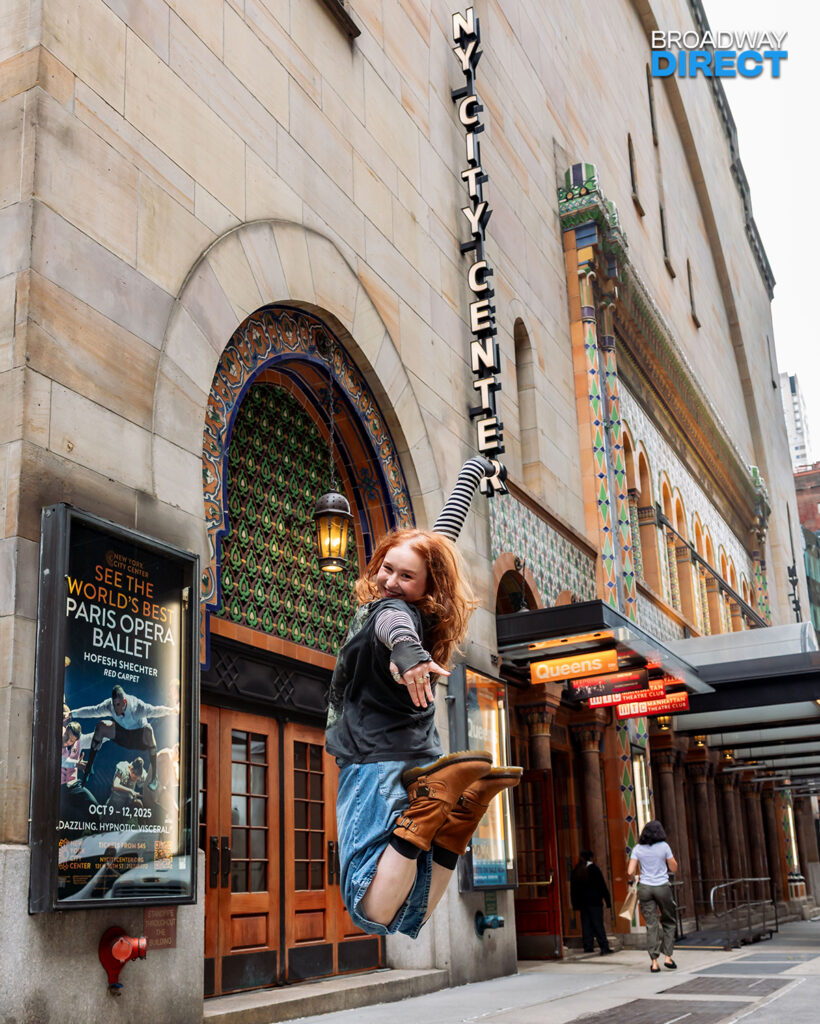
Now, she’s tackling an epic drama from Pulitzer Prize winner Martyna Majok at Manhattan Theatre Club. Queens, directed by Trip Cullman, centers around an apartment basement in the titular New York City borough, where multiple generations of immigrant women reside as they pursue the American Dream and navigate the contradictions that come with it. Lester plays Inna, who launches the show’s action when she arrives on the doorstep of Renia (Marin Ireland) in search of her mother who abandoned her in Ukraine. As the play unfolds, the characters’ choices of desperation are revealed, showing how far they’ll go to sow their ambitions in the land of opportunity.
Broadway Direct sat down with Lester ahead of Queens’ recent November 5 opening night to chat about working on the play.
How did you get involved with Queens?
I worked with Trip Cullman on I Can Get It for You Wholesale at Classic Stage Company, and he recommended me for a workshop of Queens. This show was so different than anything I had ever done before or had been trusted with before. It was so affirming that Trip saw something in me that could translate into playing Inna in Queens. I fell in love with the script and writing immediately. Martyna Majok is one of the most brilliant playwrights of this generation. I have to remind myself whose presence we’re in every day. Same with Trip. These people are making legendary work in their careers right now, and to be a part of it is really special. The workshop was the most incredible four days. I have never been so emotionally rocked by something before. I was going home every day and sobbing my eyes out thinking of these women and their stories. I was feeling so haunted by everything about them. They are so present in my mind every single day. I’m truly losing sleep over how present these women are in my mind. It’s a beautiful thing, but also, I do need to get some rest.
This is the second Off-Broadway play you’ve done this year. Audiences got to see you in Natalie Margolin’s All-Nighter at [Robert W. Wilson MCC Theater Space] in the spring. Both that play and Queens are women-centered stories and casts. What is the energy like in rehearsal rooms that are such women-driven spaces?
Oh my God, it’s girlhood. It’s so beautiful. I’m so lucky that twice now this year I’ve been in rooms where it’s love, support, and cheering each other on. There’s just so much safety in each other, everybody works so incredibly hard and is so passionate about the story that we’re telling.
I have felt so taken care of by these women in both shows.
For Queens, everybody came into this with the same mentality, that we would love and support each other through all of this. I have learned so much. With this show’s subject matter and tone, you really have to hold each other behind the scenes, and that’s exactly what we’ve been doing.
It shines through when we’re on stage, and people can really see that. My favorite thing to hear is that the audience can tell how much chemistry we have with each other. My favorite thing about doing theater is the community and the family that you build.
I feel like this role really is expanding the breadth of work you’ve done. We saw you angry in The Four Seasons, but it was also very comedic. In Queens, there are comedic moments, but we see your character very angry, and you were so raw. What was it like finding that as an actor?
The most exciting thing is when you are given a role that helps you tap into something that maybe hasn’t been healed yet inside of you. For both All-Nighter and Queens, I feel very tapped into my inner child for both of these roles in very different ways. I felt with Wilma [in All-Nighter], I was very tapped into my whimsical playfulness that is so much fun to bring out.
In Queens, Inna, with all of her complexities, is a child who was misunderstood and felt unseen. She’s a child with a lot of wounds, and we all have that inside of us. I think it’s so incredible that this profession allows me to tap into my child self, which is the most pure version of who we are. I love that little kid, and I really get to love her every single day, and remind myself that she’s there and bring her out in these roles that I play.
I know that as an actor you like to start with the text, so was there a line that felt like a thesis or was the gateway to unlocking your character?
I don’t know if it’s a specific line, but it’s been really interesting because my character is really searching for something very physical and concrete, but with all of that comes the idea that she’s searching for: a feeling of belonging. I think she’s so layered. There’s such a clear idea of what she’s trying to achieve in Act One, we’re not expecting to see some of the deeper layers in her until it happens. You don’t get to travel back to the place where all of these people come from, except for my character in Ukraine. When we jump into her backstory in Act Two and see the beginnings of her journey to America, you see it’s actually way more complicated.
I know you try not to pay attention to the audience’s reaction while onstage, but I’m curious if you clock what the audience reaction is during the moment when you fish money out from inside of you? I had a flashback to [the 2014 Comedy Central series] Broad City.
We would reference that episode when we were rehearsing!
I heard people laughing — maybe out of discomfort — and it’s not that I didn’t want to laugh, but I thought, “No, she was probably so scared that she felt like up inside her body was the safest place to put it.”
I really love that you are able to see sort of duality in that moment. You’re not expecting her to shove her hands in her pants. I think the natural reaction is comedy, because it’s so ridiculous, but I think it’s so important that you’re seeing the duality in it. Why is it there? She has nothing with her. She doesn’t have a bag. She doesn’t have a jacket. She has 60 bucks wadded up in a tight little ball that has traveled with me through fear and desperation. I certainly don’t fault people for laughing in that moment. I think it’s so wonderfully laced into the text. There’s a lot of levity sewn into the fabric of this show, which is so important because what we’re dealing with is so deep and raw and real that if we’re not crying, we’ve got to laugh about it.
What was the dramaturgical aspect of the process? Were there any discussions about personal connection to the show? Do y’all talk about the news?
I think all of those stories and personal experiences were sort of naturally baked into the process. There’s so much to dive into on the page that we didn’t have to start with a history lesson. Martyna writes from personal experience. These are stories from her community and the people that she grew up with, so all of those offerings happened so naturally within the process, which was so fulfilling. It was so beautiful watching every single person take up space, find their voice, and find the moments where they feel a safety net to share something about their life.
Everybody that comes to see the show sees a piece of themselves in these characters: a piece of their family, a piece of their history, maybe someone they know, a neighbor, or a friend. All of these women are real people, and we’re giving them voices, which is such a gift. I feel very lucky to be a small part in lifting their voices up.
What do you hope audiences take away?
This is obviously such an important story. I think of myself as quite an observant person, someone who’s very tapped into my surroundings in the world and the people that move through this world with me. But this show has given me a deeper perspective and understanding of who makes up this country. I’m moving through New York City in a different way and seeing people on the subway differently. It’s so important for people to come see the show and hear the voices behind the people that you pass on the street every day and not think twice about.
Everybody in this world and in this life is so complex. They have sacrificed so much for the pursuit of a larger idea and a larger dream. I think it’s really important for people to come see the show and frankly feel quite haunted by these stories. Hopefully it will give them a new way of moving through this world and a deeper sense of empathy and understanding. We need that now more than ever.