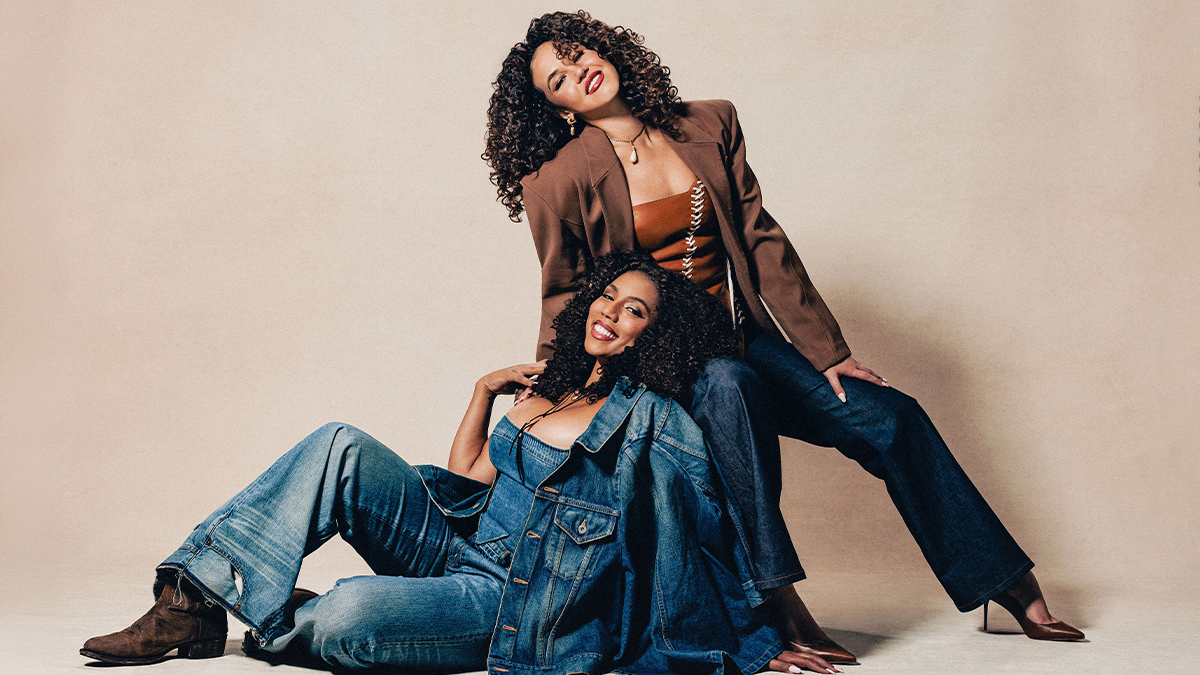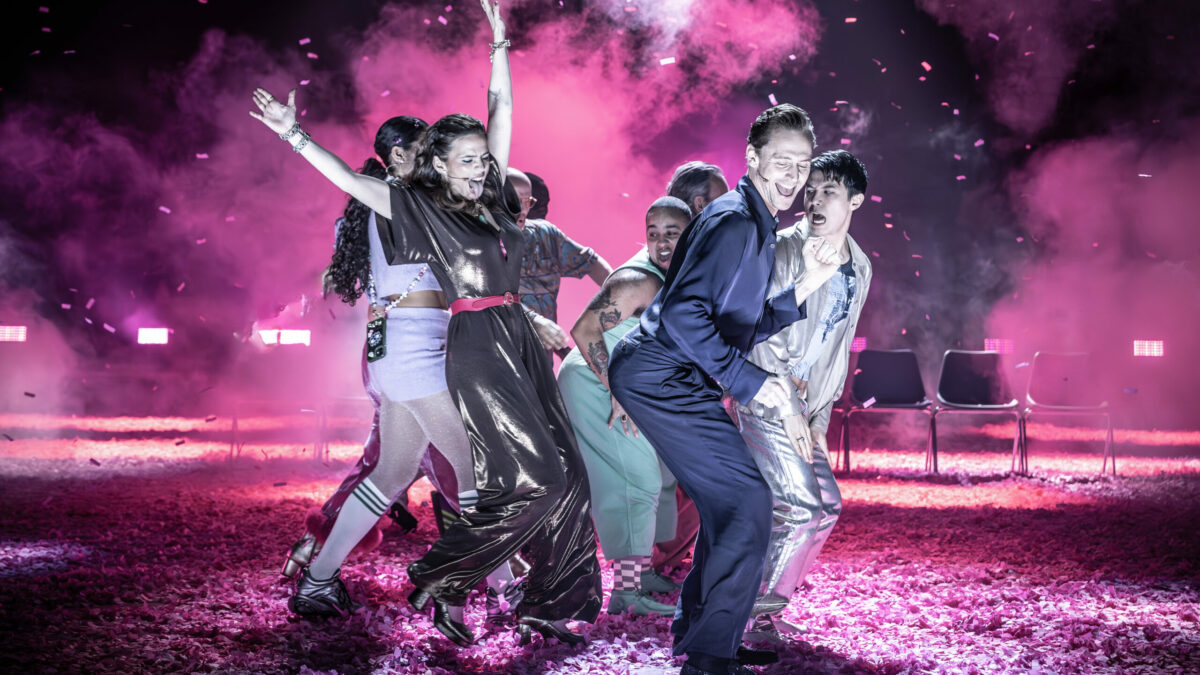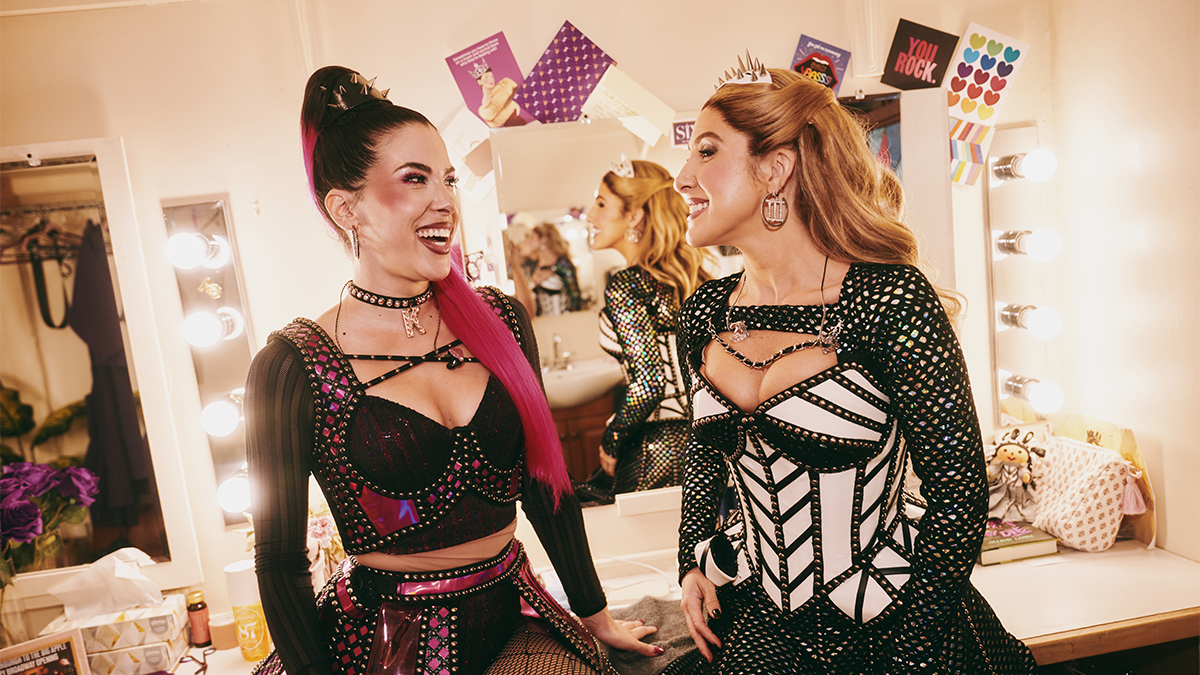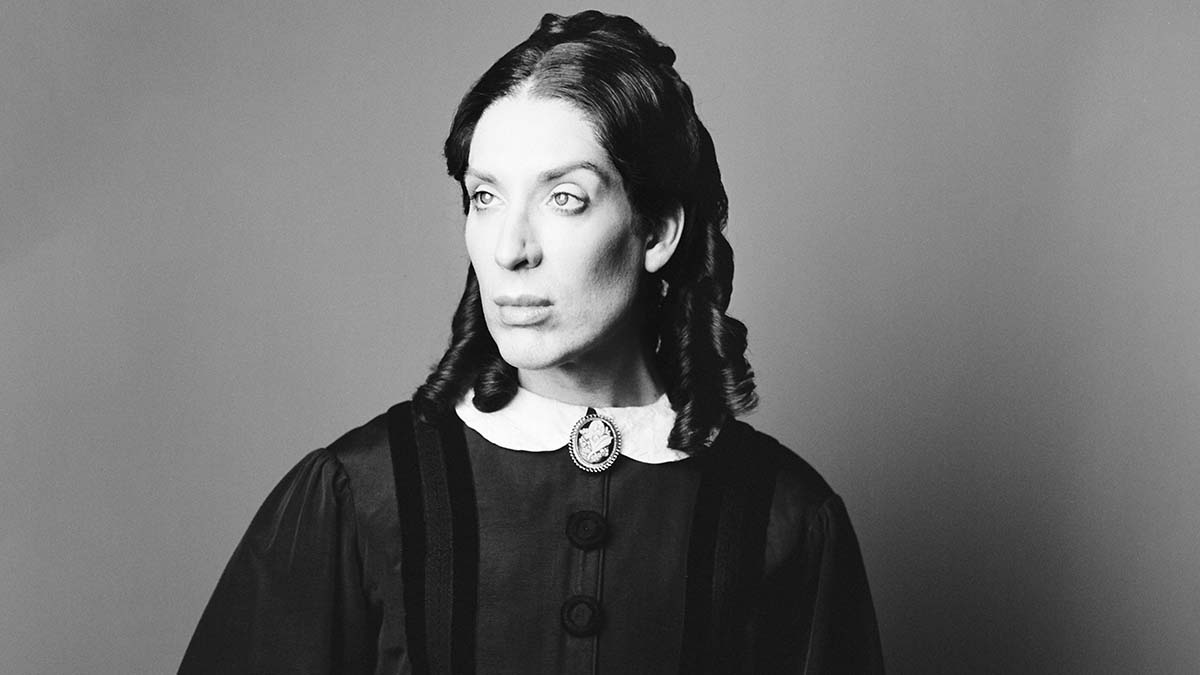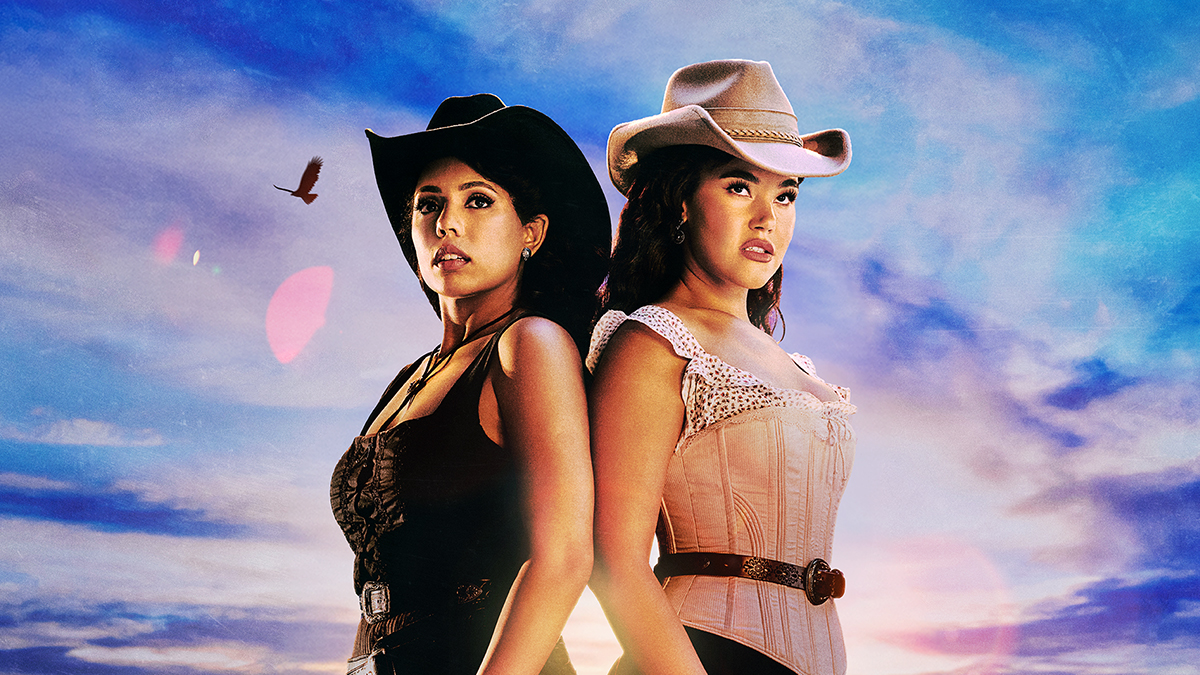
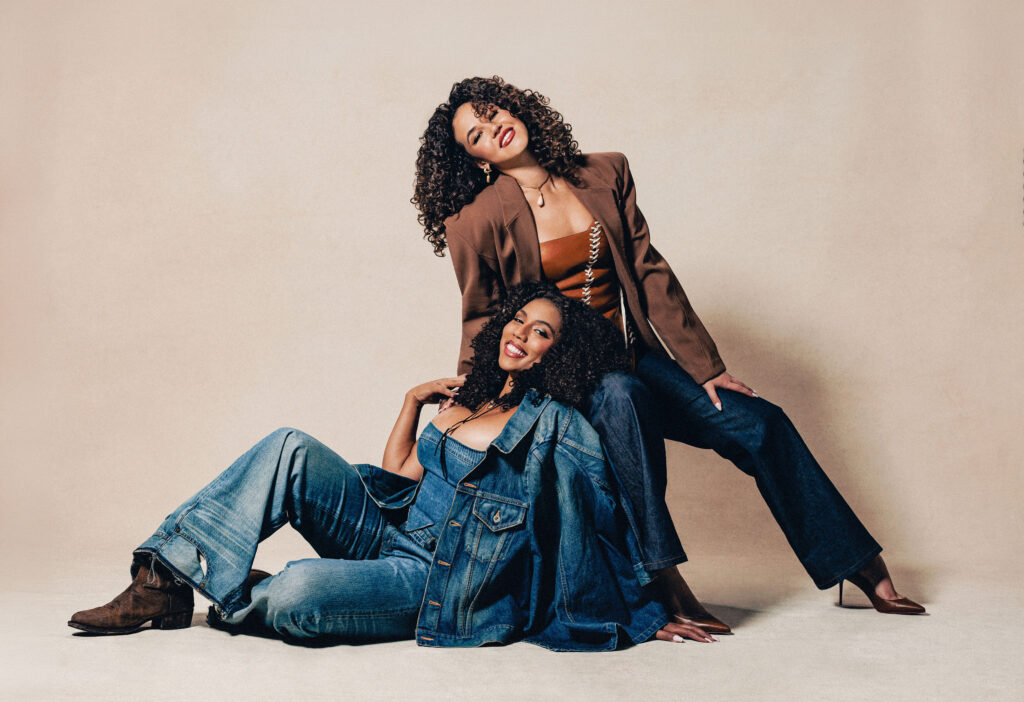
The bond between Solea Pfeiffer and Liisi LaFontaine is undeniable to anyone who witnesses them together. Whether it’s a shared look during rehearsals or the seamless finishing of each other’s sentences during an interview, you can tell they inhabit a private world of their own, drawing you in and making you wish you were a part of it too.
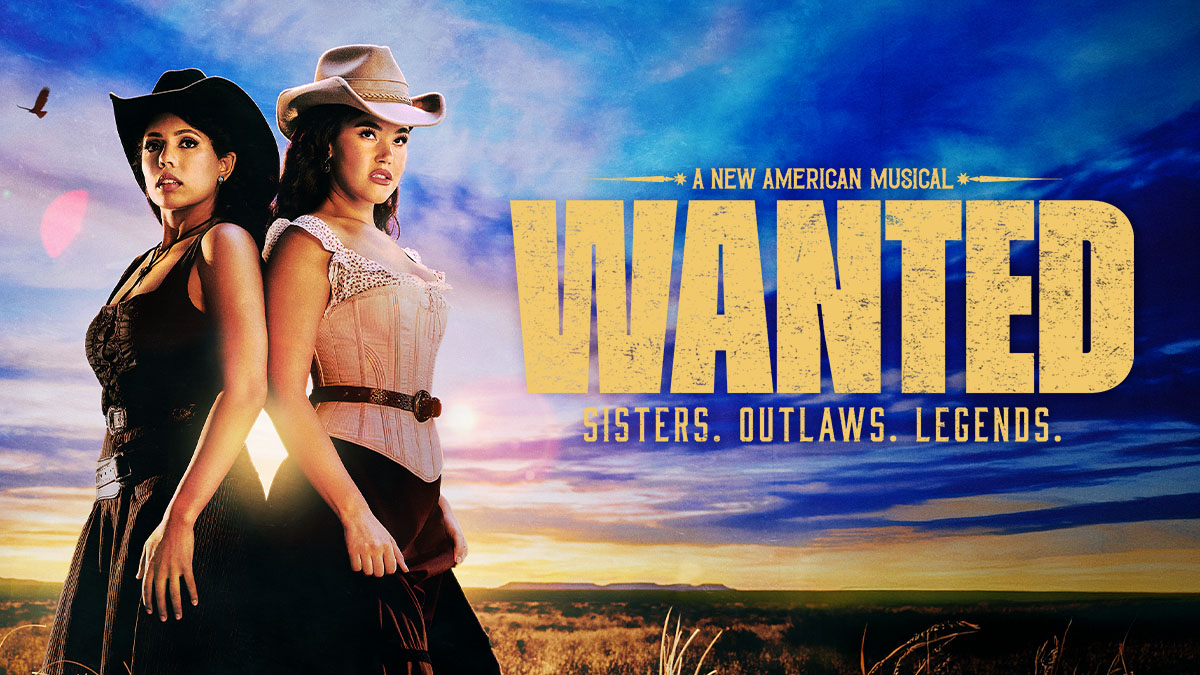
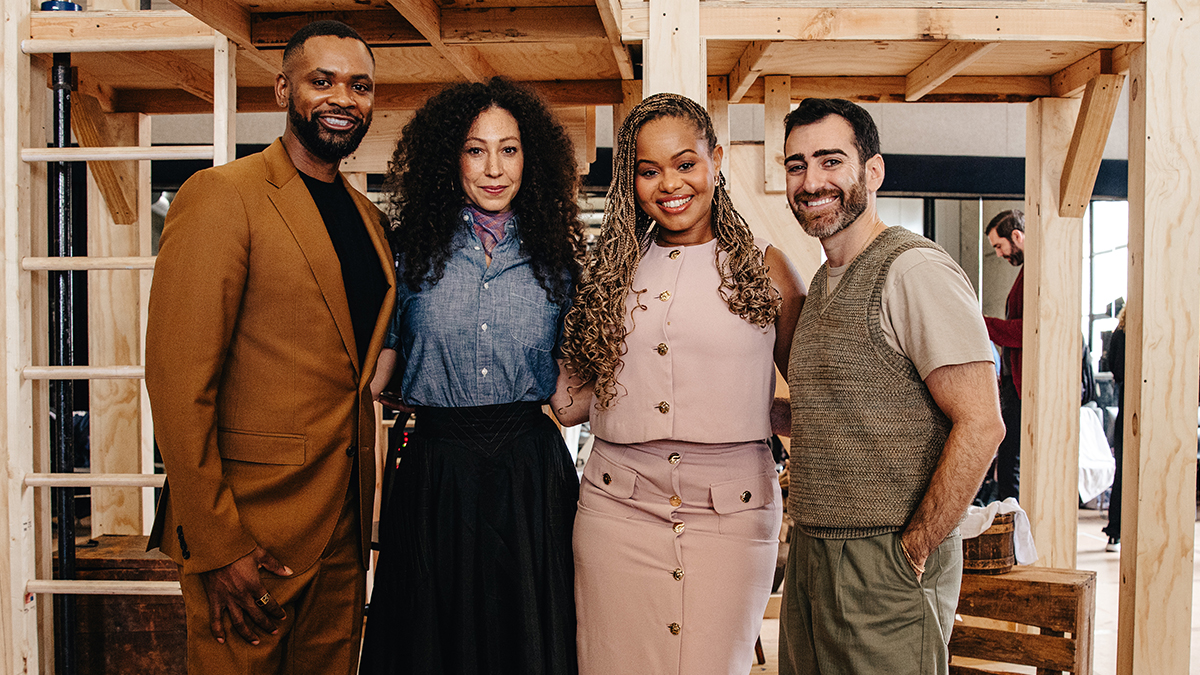
Their chemistry is the beating heart of the new musical Wanted, which begins performances October 15 at Broadway’s James Earl Jones Theatre and officially opens November 8. The pair play twin sisters Mary and Martha Clarke, who are biracial (their mom, played by Grammy Award winner Ledisi, is Black, and their unseen dad is white) and pass as white, leading them to become outlaws in 1893 Texas.
“I didn’t know a story like this could exist,” says LaFontaine, remembering her initial reaction to learning the plot. “When I heard it, I was like, ‘Finally!’ I knew it had to be out in the world. It’s been an honor to be a part of the journey of getting the show to this stage.”
“It was the quickest yes ever,” agrees Pfeiffer. “I get to take up space in a story very specifically as myself in a way that feels really meaningful.”
The story conjures up plenty of recent cultural references across media — the Academy Award–winning film Sinners, Brit Bennett’s New York Times best-selling novel The Vanishing Half, and Beyoncé’s Grammy-winning Cowboy Carter album. Like those works, Wanted, directed by Tony nominee Stevie Walker-Webb, is wholly original.
Mary and Martha Clarke really did exist, and were the great-great-aunts of the musical’s book writer and lyricist, Angelica Chéri. When Chéri and composer Ross Baum were pitching ideas for their NYU graduate thesis musical in 2014, she recalled the family legend that her grandma Dora Lee Clarke told her as a young girl as they perused family photo albums and spotted the two white-passing women.
Pfeiffer and LaFontaine joined the show, then titled Gun & Powder, for the 2018 NAMT Festival of New Musicals reading. It was only a 20-hour process, but the bond between the two was immediate, and so was their love of the material.
“It was my first job ever when I moved to the city,” recalls LaFontaine. “I remember looking at Solea’s Instagram and being so intimidated.”
“Me too!” Pfeiffer chimes in quickly.
“On day one, we met, and were obsessed,” continues LaFontaine. “We’ve been attached at the hip ever since.”
Of course, that offstage chemistry only helps nurture their onstage synchrony as twins. There are moments that feel so authentic between them, the line between what is staged and what is their unscripted compatibility seems to blur in the most captivating way.
“The main thing that you need in a scene partner is —” Pfeiffer starts.
“Trust,” they say in unison.
“It’s a very deeply emotional and personal story, and we’ve unpacked so much of our identities with each other,” continues LaFontaine. “To tell this very hyperspecific story with someone that I’ve talked about all of it with means we don’t have to work for that [trust] at all, which is lovely.”
“I get to act with someone who already knows everything about me,” Pfeiffer finishes.
Both LaFontaine and Pfeiffer are biracial, like the Clarke twins, which makes the story even more personal. Though they agree the biracial experience isn’t monolithic, they have deep-dived into the shared questions of belonging, feeling racial impostor syndrome, and navigating assumptions and perceptions about their identities.
“We’ve talked about the responsibility that we feel to really get this right,” says Pfeiffer. “There’s something about this moment in 2026 that is rocking everybody’s sense of what it means to be a person living in this country right now. There’s so much taken for granted when you don’t know where you come from. The more we delved into what it meant to be mixed-race people in 1893, the more deep appreciation I have for how hard they fought.”
The 2020 U.S. Census reported that more than 33 million Americans identify as biracial/mixed-race, but in the Reconstruction Era, mixed-race identity meant something more significant and had more severe consequences. The politics of slavery were still very present, and being biracial was a visual reminder of the extremely fraught tensions of the time period. The “One-Drop Rule” meant that biracial people were racially categorized as Black, but their lighter skin also played into the system of colorism.
“We’re representing a time where being mixed was impossible,” says LaFontaine. “If we thought it was hard growing up wanting to straighten our hair, or wanting to be more Black or more white, imagine how these people felt over a hundred years ago. There was no language for it. I feel a lot of gratitude for where we are and how far we’ve come.”
Historically, passing was often used as a survival technique for people, but the concept also raises eyebrows as it can come with a complete dismissal of one’s true identity — one that left the people passing “so spiritually bankrupt,” says Pfeiffer — as well as elitism and racism.
“We want to really highlight the complexity and the necessity,” says Pfeiffer. “For a lot of people, [passing] was not a choice. It was life or death, and we cannot begin to comprehend how complicated that is.”
As for their characters specifically, the Clarke sisters begin with a firm sense of their Black womanhood being raised by a Black mom, but soon realize their light skin is a tool they can try to use within the oppressive, white, patriarchal system. As the story progresses, the two sisters decide between different routes in the world of passing. LaFontaine and Pfeiffer agree that their characters’ two different perspectives and approaches offer a wider umbrella for audiences to identify with.
“My greatest hope is that people leave with more questions,” says Pfeiffer.
“We’ve spent eight years with these characters, and I’m still unearthing so much every day of doing this,” adds LaFontaine.
“I’m asking myself, ‘What space do I take up? How do I have to advocate? How do I have to be more brave? How do I have to be more honest about the privileges that I have?’” says Pfeiffer. “What comes up can be uncomfortable, but that’s great.”
“The best stories are the ones that keep you asking questions after and stay with you,” LaFontaine agrees. “Be curious.”