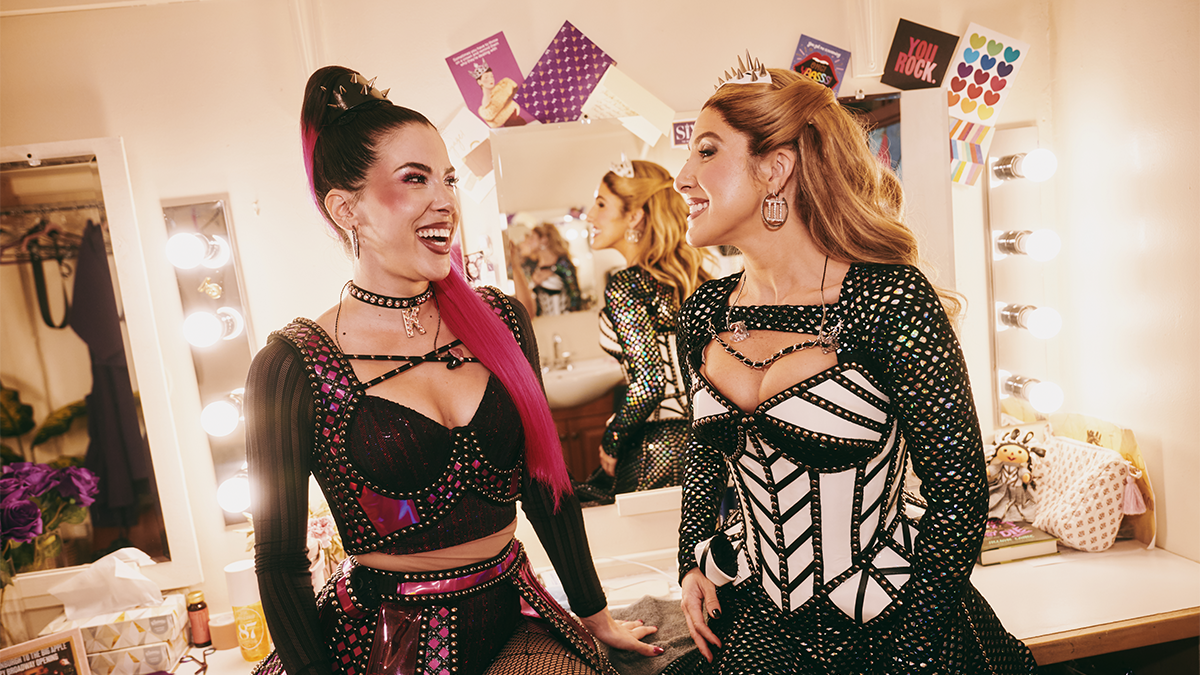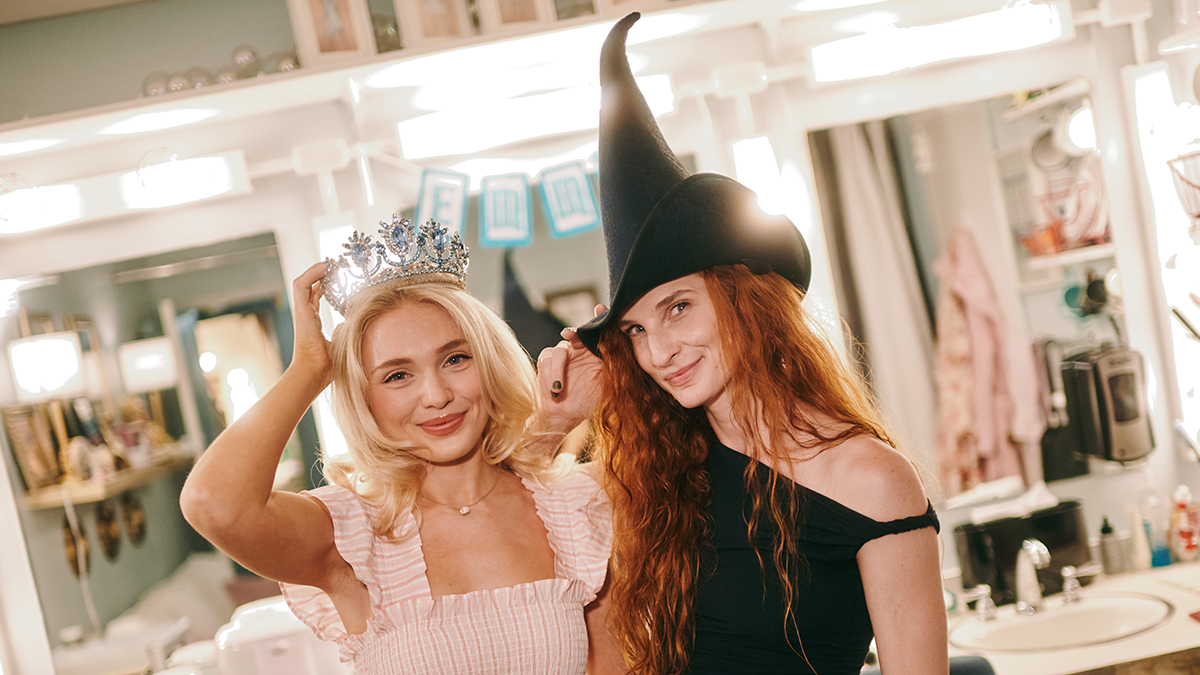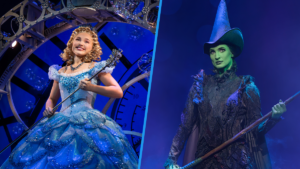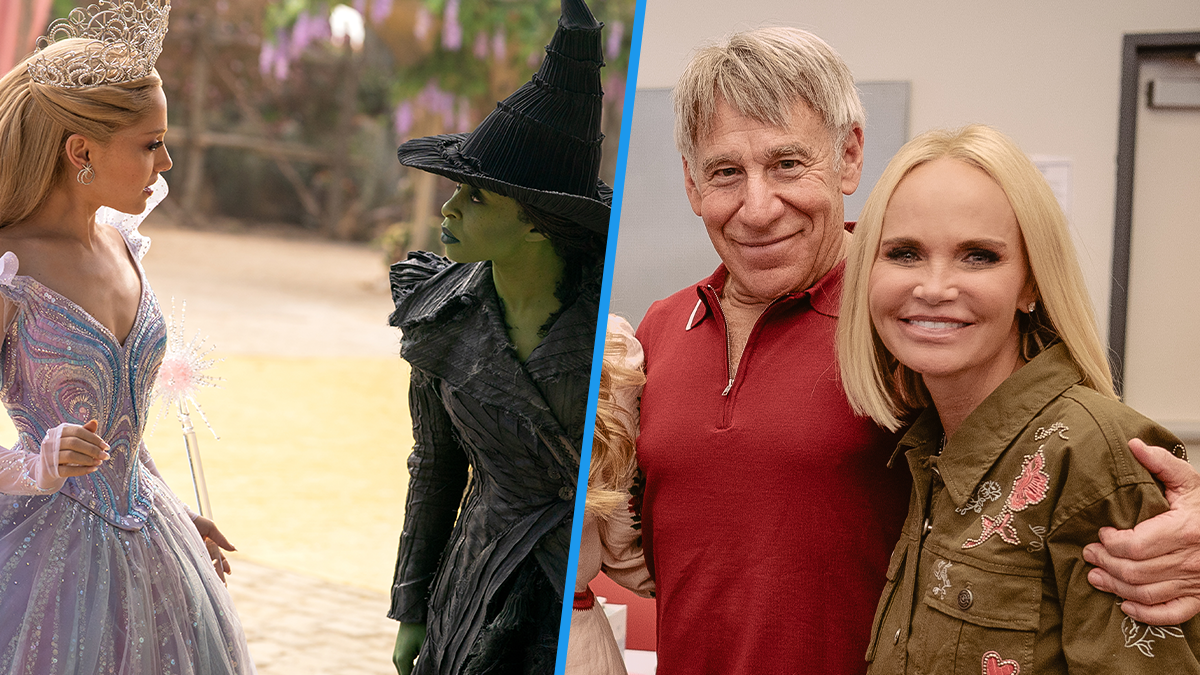
The last time Stephen Schwartz unveiled an original show on Broadway, the composer and lyricist — by then already long celebrated for sumptuous musicals stretching back to Godspell and Pippin, to say nothing of the film work that has earned him three Academy Awards — gave audiences what would prove to be two of its most iconic roles: the witches Glinda and Elphaba in Wicked.
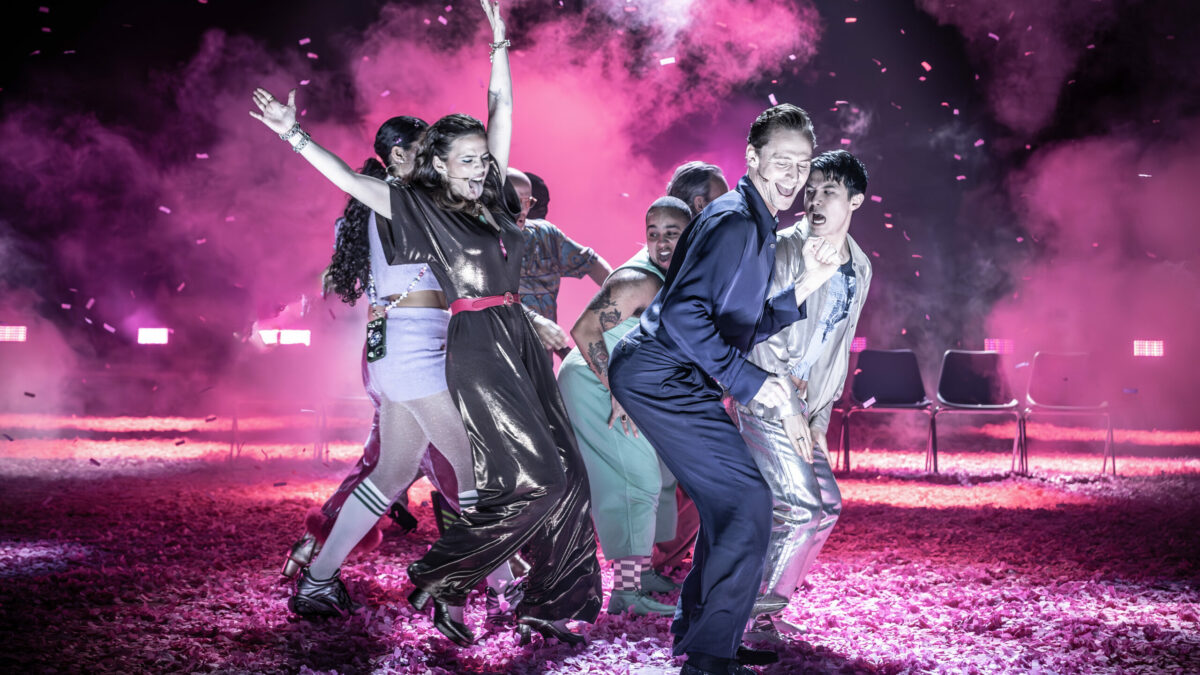
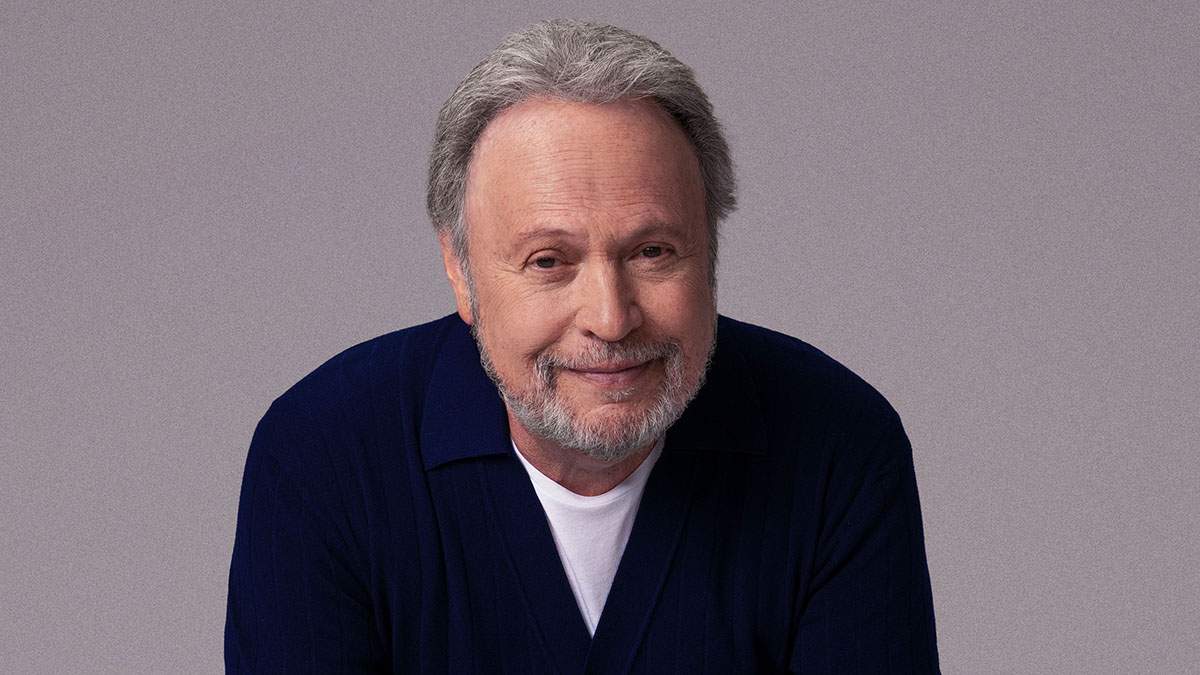
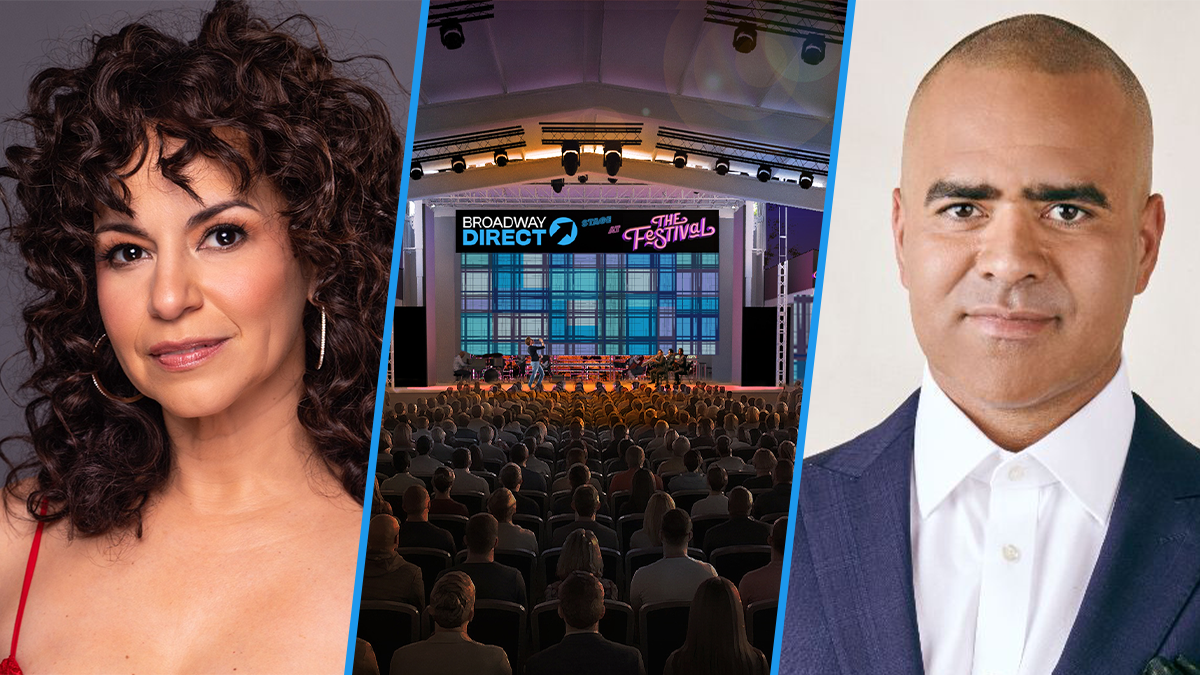
Now, as fans await the second installment of the two-part film adaptation of that enduring hit — Wicked: For Good, the follow-up to last year’s blockbuster, is due November 21 — Schwartz is introducing a new, arguably even more ambitious work. Starring one of Wicked’s leading ladies, original Glinda Kristin Chenoweth, and acclaimed stage and screen veteran F. Murray Abraham, The Queen of Versailles is currently in previews and set to open November 9 at the St. James Theatre.
Where Wicked was adapted from a novel by Gregory Maguire — itself inspired by L. Frank Baum’s The Wonderful Wizard of Oz, also the basis of a certain beloved 1939 film — Versailles has its roots in a 2012 documentary. The movie, also titled The Queen of Versailles, introduced audiences to Jackie Siegel, played by Chenoweth onstage, a computer engineer and beauty queen whose second husband, business mogul David Siegel (Abraham), saw his empire of luxury homes and time-share properties fall apart during the financial crash of 2008.
At that time, David, who died earlier this year, was in the process of building Jackie, some 30 years his junior, a sprawling private residence in Orange County, Florida, that they modeled after France’s Palace of Versailles. The musical follows the family’s struggles, including some that transpired after the documentary’s release, in a tale of resilience. Jackie, who we meet when she was young and single and hungry, emerges as an indomitable, if imperfect, heroine.
But the show is far more than just a character study. “Clearly, something has been going on in America,” says Schwartz. “We can’t say we live in the same country that we did 10 years ago. And I think everybody on all sides of the political and ideological spectrum would have to agree. And a lot of things have contributed to that — obviously politics, but also social media and the culture at large. Again, I don’t think it’s a political statement to say that there’s vast income inequality in America. You may feel like that’s everybody’s personal fault or you may feel it’s a flaw in our society, but that fact simply exists, and I think it’s contributed to an alteration of what we value in America.”
For Schwartz and librettist Lindsey Ferrentino, whom he had come to admire after seeing Off-Broadway productions of her plays, the Siegels’ saga presented an opportunity to explore these matters “in a way that I think is very entertaining. We’re not trying to preach to get across any one particular point,” he stresses. The story includes segments taking us back to the courts of France’s King Louis XIV and Marie Antoinette; to reflect this historical scope, and accommodate the diverse array of characters in Versailles, Schwartz crafted what some are calling his most eclectic score so far, incorporating classical, traditional pop and jazz, country and modern rock textures.
“I’ve done this kind of thing before, where each song tries to characterize a specific character,” Schwartz notes. “But here, you have different eras. Even the contemporary story goes through time: It starts in the ’90s and then ends 20 years later. And you have characters of different ages. You have teenagers, who would listen to a different kind of music than David Siegel, who’s much older, and then Jackie, who for some reason I decided should be country-inflected. I try to write music that sounds as if it comes from the character, rather than it being imposed on him or her.” Schwartz gives additional credit to John Clancy’s “very clever orchestrations, which really lean into the style of each song.”
Versailles also finds Schwartz teaming with acclaimed director Michael Arden, who won back-to-back Tony Awards for his 2023 revival of Parade and last season’s Maybe Happy Ending.
“Michael is a longtime friend, and he has acted in shows of mine, and I’ve always admired him as a director,” Schwartz says. “We had been looking for something to do together for a long time.”
Schwartz has received feedback from the documentary’s director, Lauren Greenfield, and from Jackie Siegel herself, who granted him and his collaborators creative autonomy. “Whatever you may think of Jackie Siegel, I think what she has done is extremely courageous and generous,” he says. “I would challenge anyone to think, if someone said, ‘Hey, we’re going to make a show about your life, and we’re going to tell some of the good parts and maybe some of the not-so-good parts; we’re also going to make some things up, and we’re not going to distinguish between what’s real and what’s fiction, but we’re going to use your name and the names of your family members, mostly, and you have no right of approval whatsoever,’ how many people would actually say yes to that, and be good sports about it?”
The composer is also grateful to Siegel’s children, now adults: “I’ve had occasion to spend a little time with her kids, and they’re pretty terrific. One of them said that what he liked about the show is he felt that it told the truth. He said that the events are not exactly what happened, but they feel like what happened. And he appreciated that.”
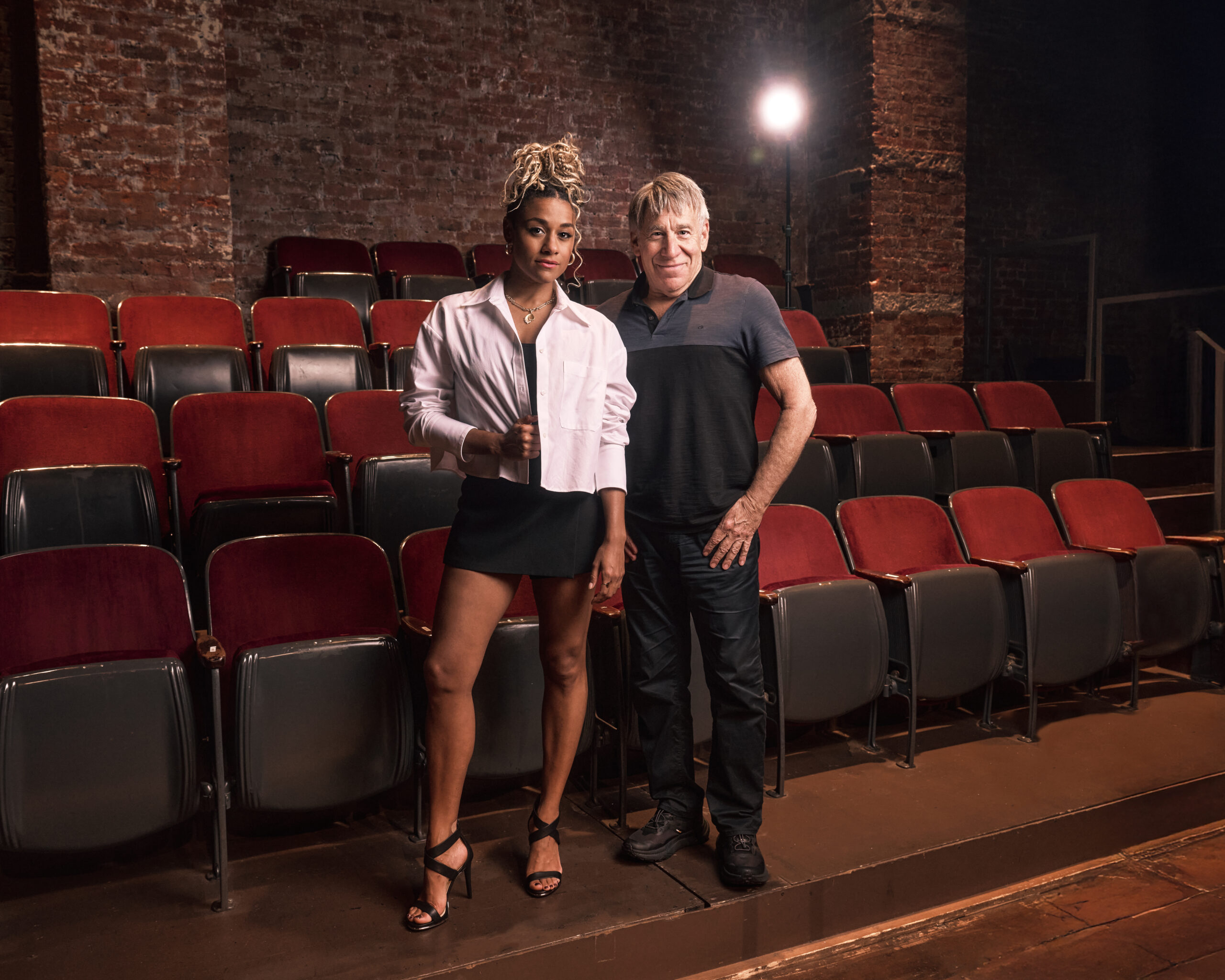
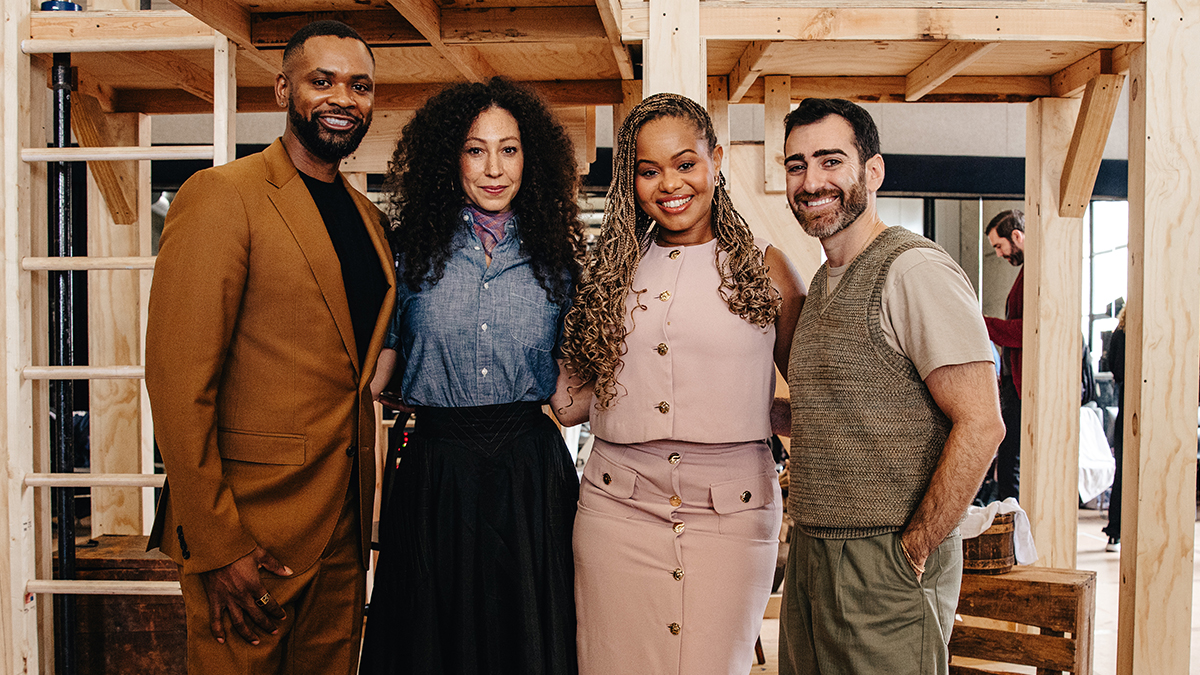
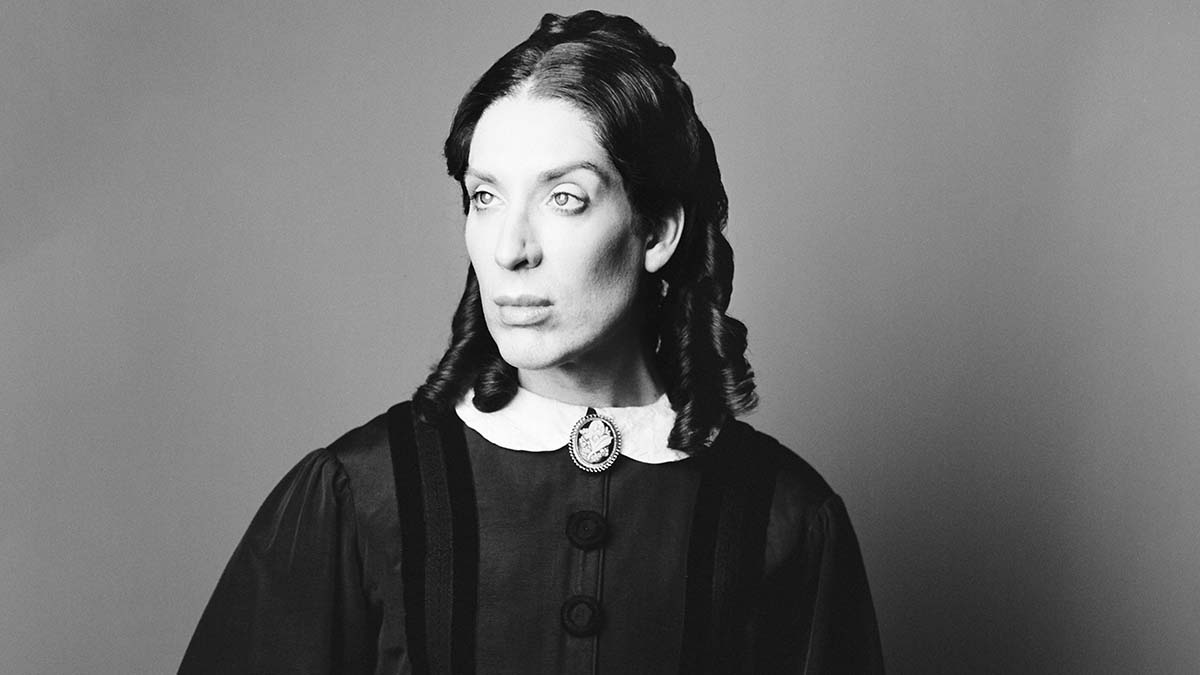
Versailles is actually one of two productions of Schwartz musicals set to open in New York this month: Off-Broadway, Classic Stage Company is reviving the cult classic The Baker’s Wife, with Oscar winner and Tonys host Ariana DeBose playing the title role and Gordon Greeenberg directing, with an opening set for November 11. “Gordon has done the show quite successfully a few times,” Schwartz points out. “The combination of Classic Stage Company and the ability to get a crazily great cast” — also including Scott Bakula, Judy Kuhn, and other widely loved stage veterans — “and that Gordon was available to do the show again, it was like, we have to take advantage of this opportunity while the stars are aligning.”
And of course, there is Wicked: For Good, for which Schwartz crafted two new songs, as well as “significantly revised and reimagined sections of other songs,” he says. “The first movie was more or less the first act of the show, though of course it was expanded to some extent. But the second act of the show is about 40 minutes long, and the movie is two hours long, so we had to expand considerably. That allowed us to explore other aspects of the story, and of the characters and their feelings and relationships. Consequently, there were places that required additional musicalization.”
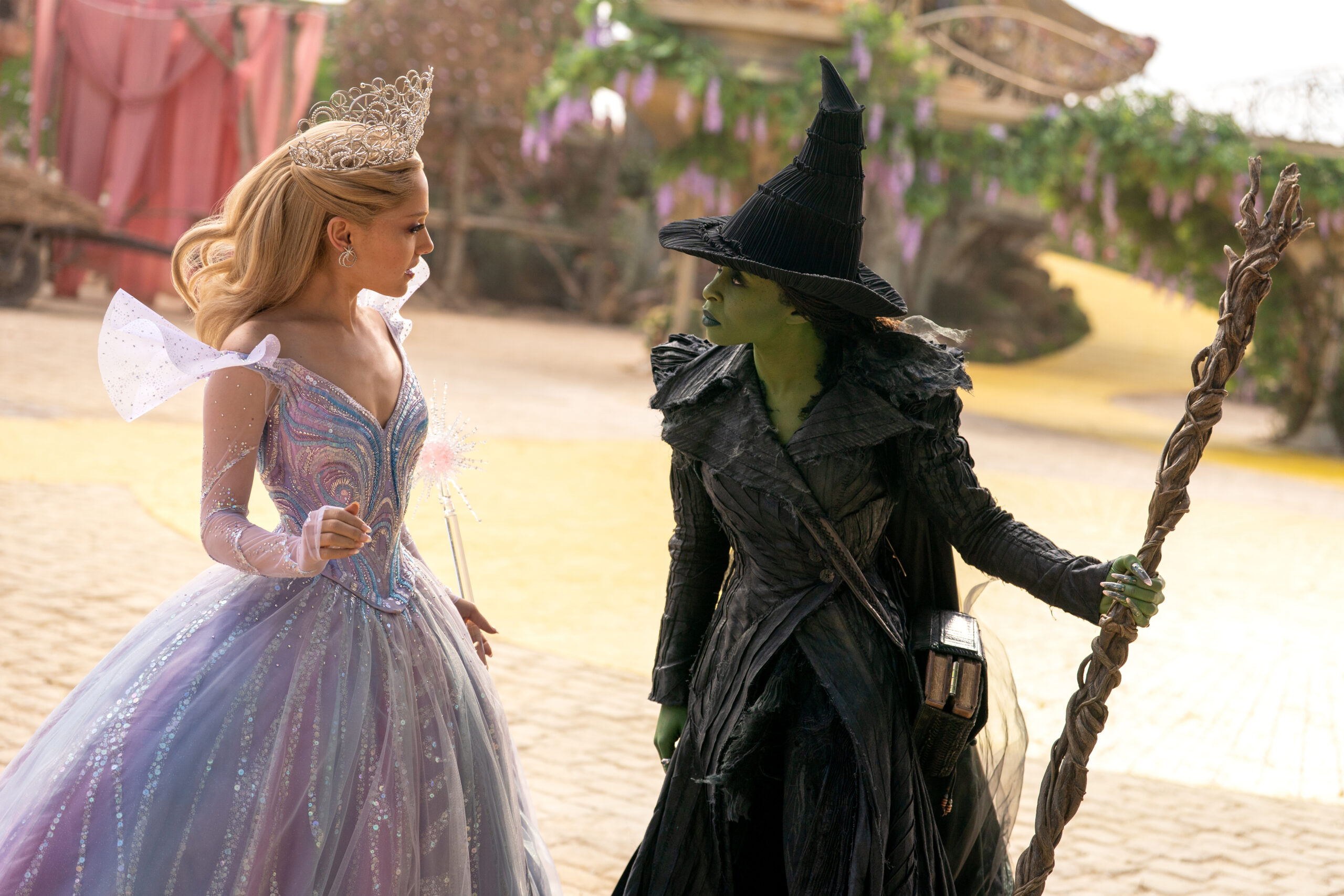
When Schwartz saw a screening of the movie, he says, “I felt really good about how the new songs work. To me, as a musical theater writer, they feel absolutely essential — not stuck in there just to have new songs. I can’t imagine telling the story we’re trying to tell without them.”
While Schwartz sees the movie and the two shows as vastly different projects, he is pleased when it’s pointed out to him that the characters in The Queen of Versailles, like those in Wicked and The Baker’s Wife, don’t come across as cartoonish, or invite judgment.
“People are not cartoon characters,” Schwartz says. “Real people are complicated, and nuanced. That’s what Wicked is about: Nobody is all good or all bad. Everybody feels justified in what he or she is doing, and we all have our reasons.”